Recipes of Color

This week in class we made a plethora of colorful, exciting recipes that actually tasted delicious and offer so many health benefits! What more could you ask for, right?! There were a lot of ingredients used that were new to me and many different techniques I had never even heard of! Overall, this was probably my favorite week so far because all of the recipes were so refreshing and delicious! The recipes made this week included a Moroccan Carrot Soup, Balsamic Beets with a Cashew Whipped Sauce, Tomato and Herbed Pine Nut Towers, Zucchini Noodles and Corn Mint Pesto, Heirloom Tomato Gazpacho with Basil Sorbet, and Quinoa and Secret Pesto. I loved every single one of these and can’t wait to try making them at home!
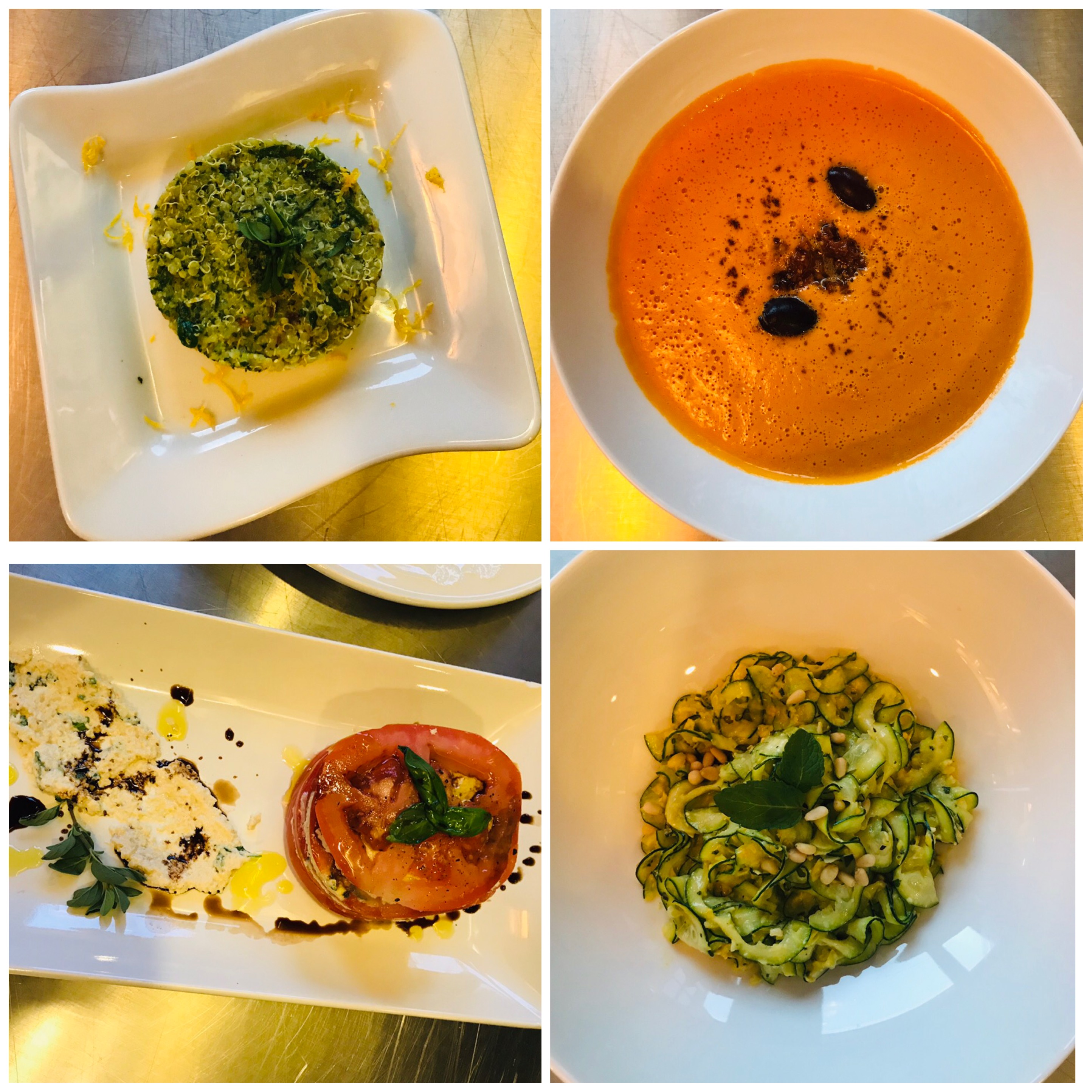
The top left if the Quinoa and Secret Pesto. The top right is the Moroccan Carrot Soup. The bottom left is the Tomato and Herbed Pine Nut Tower and the bottom right is the Zucchini Noodles and Corn Mint Pesto. So colorful!!

My cooking partner, Julie, and I made the Balsamic Beets with the Cashew Whipped Sauce. This was a totally new experience for me because honestly, I had never even seen a beet in real life, let alone eat a beet. We had to make a little bit of alterations when making the beets because the recipe called for two beets and we used three. We ended up doubling the marinade recipe to make sure there was enough to cover all of the beets and let them soak for an hour. I learned a new cooking technique this week which was using a spiralizer to run vegetables through and make a nice, spiral shape out of them. I had never used one before but it was a great technique to get a symmetrical, beautiful shape out of the vegetables without the hassle of cutting them! I don’t personally own a spiralizer but if I did, then I would most definitely use that technique again.
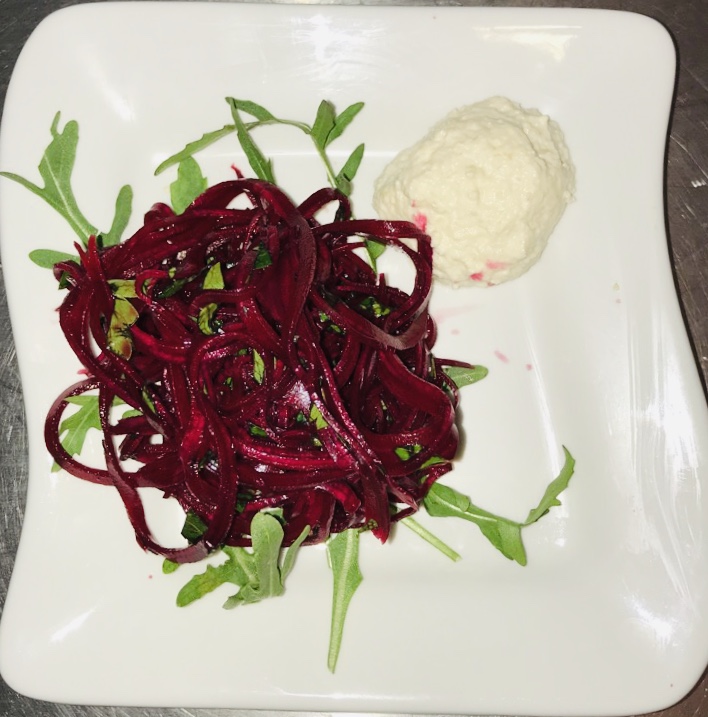
The dish that Julie and I made! Balsamic Beets and Cashew Whipped Sauce.

The flavors of each recipe was just like an explosion in your mouth. Everyone did such a great job balancing the flavors until they were just right. I specifically noticed a balance of flavors in the Quinoa and Secret Pesto recipe because there was some added lemon zest and the acidity really just made the dish so much better. Also the Moroccan Carrot Soup had a wonderful blend of flavors with the sweetness from the carrot juice and then the ginger was just enough to add a zing of flavor in each bite. The Balsamic Beets were beautifully balanced with the Cashew Whipped Sauce. It was like an earthy flavor from the beets and then a sweet sauce to go with them. So amazing. The recipe that surprised me the most was the Moroccan Carrot Soup. It looked completely different than how it tasted and I was just not expecting all of the flavors in my mouth. I think I was expecting it to be more bitter, but it was actually very sweet and healthy too! Even though there were so many new ingredients to me, three of them stood out to me the most. First were the beets. Like I said previously in my post, I had never even seen one in real life before. I learned that they are very good for the blood and circulation and they can actually help people with anemia. Eating them raw and marinating them in some sort of sauce is the way I learned to make them, but you can boil them too. Another ingredient that was new to me was the hemp seeds. These were the “secret” ingredient in the Secret Pesto. They are a great source of healthy fats and also offer many essential nutrients like phosphorus and magnesium. I learned to just pulse them in a food processor with other ingredients and you won’t even be able to tell they are there! The last ingredient that stood out to me was the quinoa. It wasn’t totally new to me, but I had never learned how to cook it or use it in a recipe. I learned that it contains all of the essential amino acids and it is very high in fiber. The ratio to cook it is 1 cup of quinoa and 2 cups of water. You just boil it and once you see the white little tail, it’s done! Easy right?! This week, I tried so many new things and am so grateful to have learned so much about these plant-based foods!
Week 3: Trying New Things

This week I learned a lot of new things about cooking and about new ingredients. Before taking this wonderful cooking class, I had never really even heard of gluten-free flours, let alone work with them. I noticed the texture is a little different when using gluten-free flour and the taste is a little bit off. Not totally sure how to explain it, but I could tell it was different than regular flour. It tasted good though, so it was definitely something I will consider using in the future! We used garbanzo flour this week, which is gluten free as well as the amaranth we used in gluten free!

I also learned about anti-nutrients and that they are the components of plants that are there to keep animals from eating them. The anti-nutrients make it hard for your body to digest and absorb the actual nutrients that the plants have to offer. Soaking and sprouting are ways to reduce the amount of anti-nutrients found in your food! We used the soaking this week and soaked the chickpeas overnight. You want to drain the chickpeas after soaking to get rid of all of the anti-nutrients. Another way to reduce anti-nutrients is to cook the plants with kombu seaweed. The seaweed has a natural way of extracting anti-nutrients out of the plants. How cool right?!

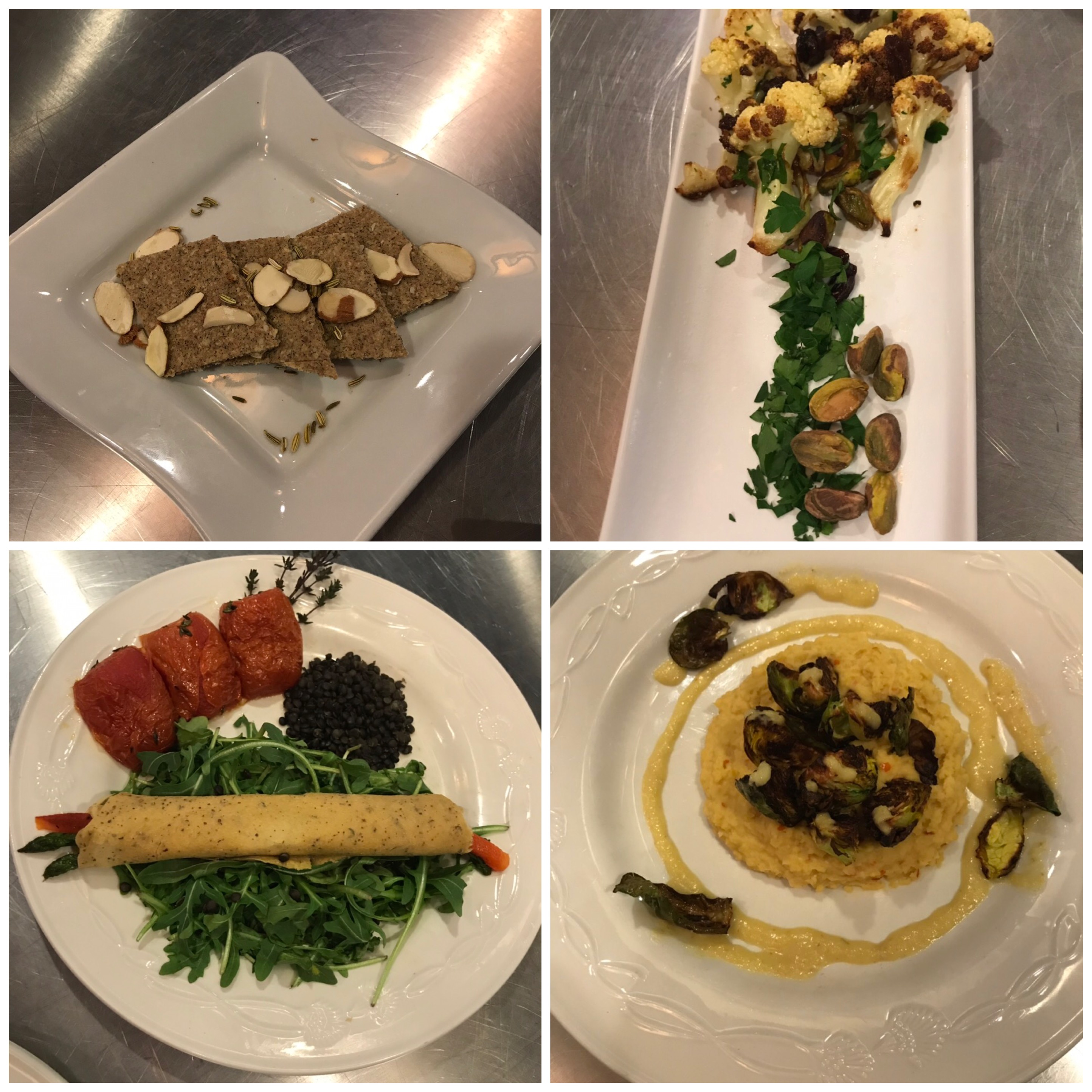
I have definitely tasted roasted vegetables before and I absolutely love them! The roasted vegetables have more of a smoky flavor and are more crispy on the outside. They have a nice crunch when you bite into them. The steamed veggies have a fresher flavor and are more moist and soft when you bite into them. I really enjoyed the flavor and texture balance between the citrus, brussel sprouts, seeds, and puree. The citrus was a bit strong for my taste, so maybe a little less of that would have been better for me. I loved the brussel sprouts though, they are my favorite vegetable! The chickpea puree and the seeds were also very good and added a nice balancing flavor to the brussel sprouts.

The top left picture is the Mixed Grain Crackers. The top right is roasted cauliflower with raisins and pistachios. The bottom left is the Socca Crepe with roasted red pepper and asparagus. It its placed on top of arugula and lentils and roasted tomato on the side. The bottom right is roasted brussel sprouts on top of a chickpea puree topped with citrus emulsion.

Some new cooking techniques that I learned about include searing, deglazing, sauteing, and sweating. In order to achieve a perfect sear, the pan needs to be very hot, but not smoking. Another way to to make sure you shake off all the extra moisture and dry the food that you’re searing before adding it to the pan. To test and see if the pan is hot, you should look for a sizzle if you drop some water into the pan. Another way to tell is if you put oil in the pan and it moves quickly, forming a shimmer effect. Deglazing is a technique used after food that has been cooked has been removed from the pan that it was cooked in, along with the excess fat. The pan is brought back to the heat source and a liquid of choice is poured into the pan to create steam and release any bits (fond) that have stuck to the bottom of the pan. You can use a variety of liquids to deglaze like wine, stock, juice, and vinegar. There are some differences between the techniques of sweating, sauteing, and searing. Searing is a technique used to caramelize the food while sauteing allows for caramelization to occur and cooks the food throughout. Sweating is very similar to sauteing in the fact that they both involve cooking over the stovetop. Sweating is a little different though because it involves cooking with low heat and little to no fat. Some plant-based dishes you can make using the saute method is a corn, zucchini, tomato, and basil skillet saute. Another recipe using searing is pan seared vegan pesto gnocchi. You can sweat almost any vegetable like zucchini or broccoli.

Roasting and steaming are two very different cooking methods. Steaming is a wet cooking method while roasting is dry. Steaming often doesn’t add a lot of flavor to vegetables or whatever is being steamed and it typically softens the food. Roasting adds a nice crisp texture and a depth of flavor. I love to steam zucchini and squash because I like the soggy texture it gets from the steam. I think they already have a nice flavor which is enhanced from steaming. I love to roast broccoli, cauliflower, and brussel sprouts. The smoky flavor and the crunch is so good altogether.

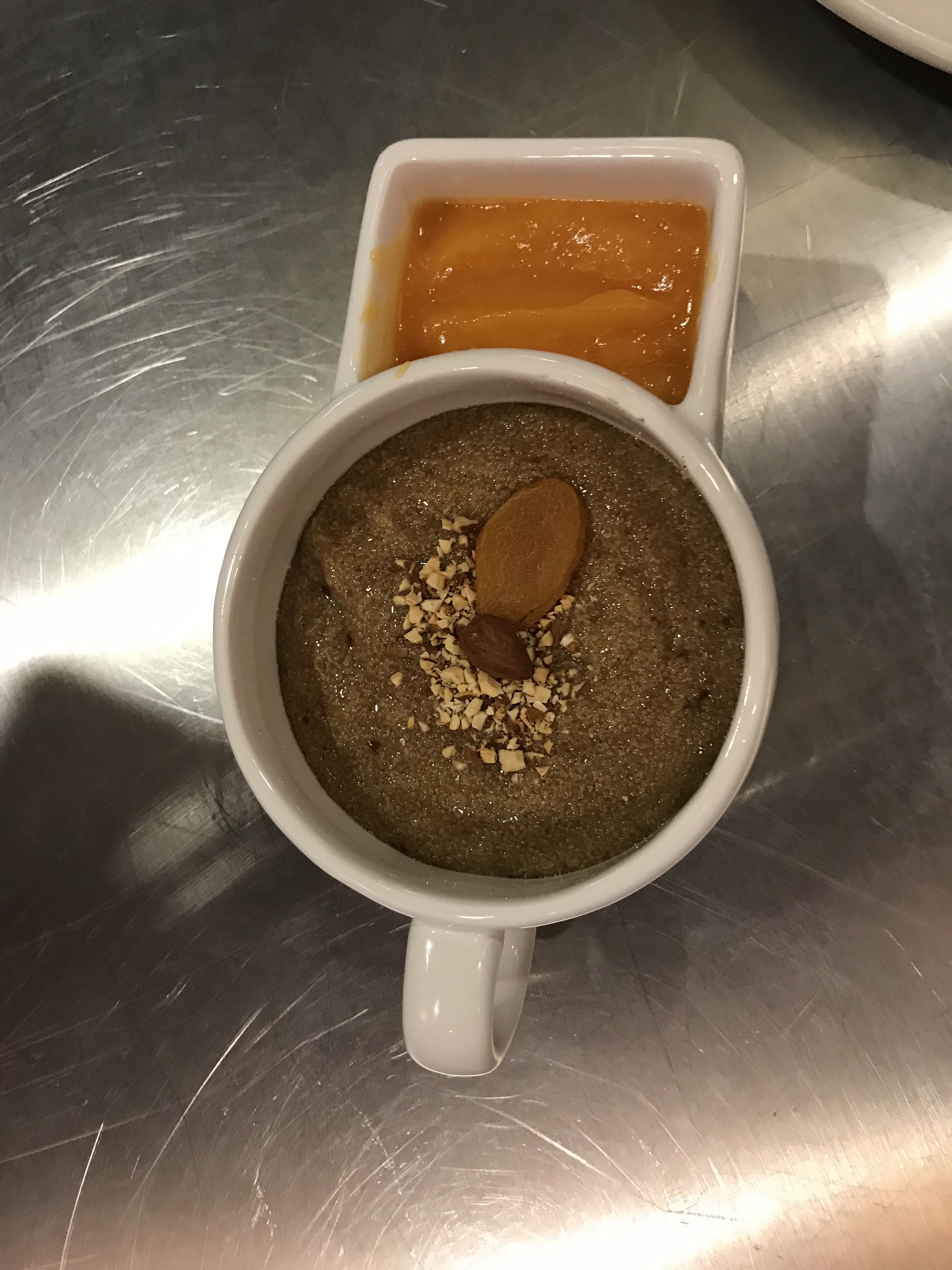
This is what my partner and I made which is called Amaranth Porridge with Papaya and Apricot puree on the side.

So far, my progress in this class is great. I have tried so many new foods already that I had never even heard of before. I have learned so many new cooking methods and my favorite thing so far is how to make almond milk. I love all of the new experiences I have gained from this class so far and am so excited for what the future has in store.

Week 2: New Recipes

This week was super new and exciting because we got to make and try 3 different recipes! I typically cook pretty basic meals at home, so learning new things and ways to cook is awesome!

One technique I learned about this week was braising. I had always heard the word but never really understood what it meant. Braising is known as a combination cooking method because it includes wet and dry cooking. When beginning to braise something, you sear the ingredients in oil first and then you add liquid to simmer the ingredients in. To add depth to your braised sauce is to strain the ingredients out and bring the leftover liquid to a boil. Add the ingredients back in and season/cook simultaneously! Braising and stewing is known to cook comfort food and are techniques used throughout the world. A Taiwanese recipe, called Lu Rou Fan, is a comforting braised pork dish served with rice. Another recipe I found is a Korean dish called Jjimdak which is braised chicken. In Korea, dak means chicken and jjim means steamed, stewed, or braised in a sauce. Cool right? I found one other recipe called Lebanese Lubee which is made of braised beef and green beans. There are so many unique recipes used with braising!

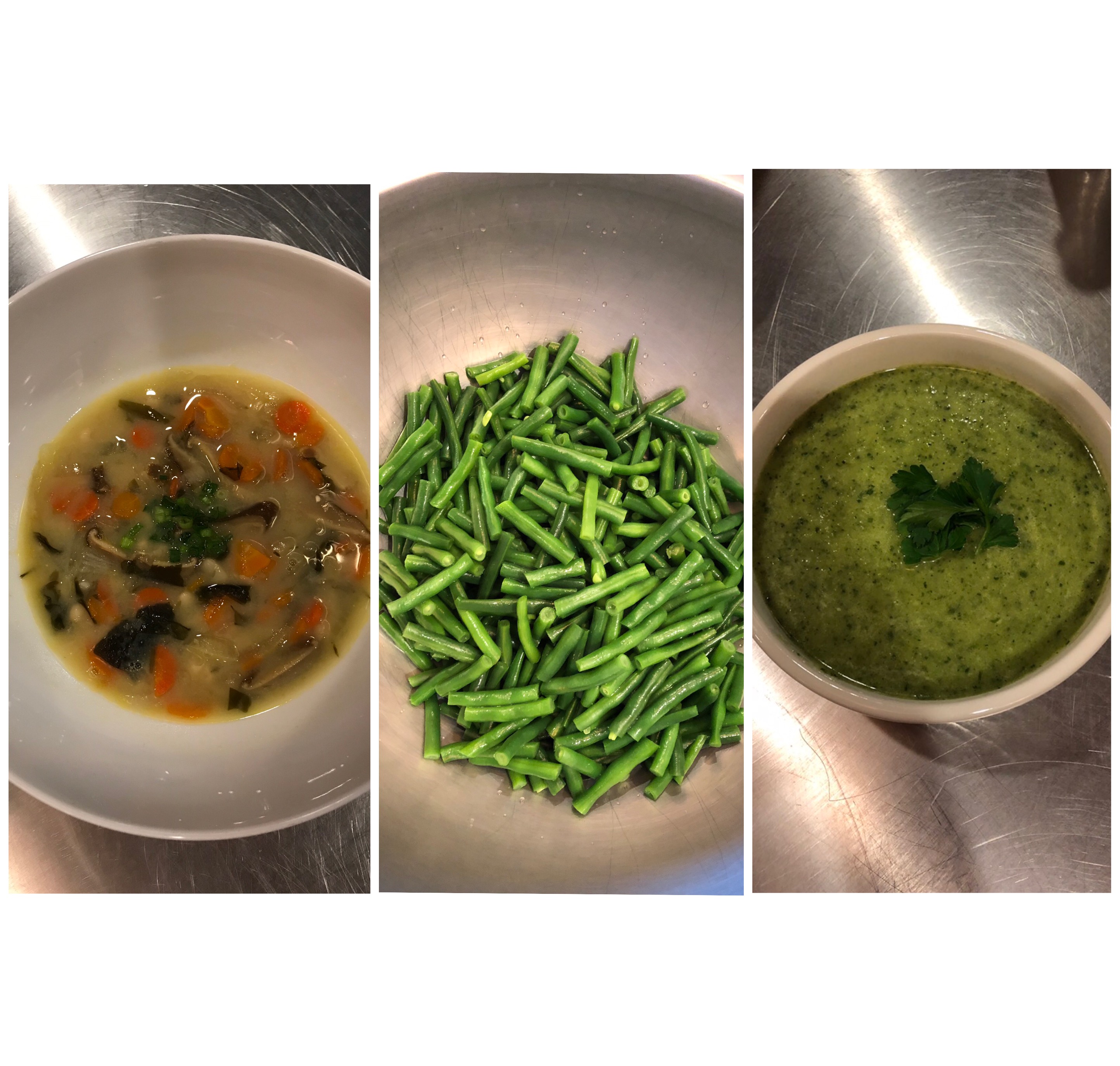
We cooked 3 different recipes this week being a Blanched Green Bean Salad, White Bean Miso Soup, and Zucchini Fennel Soup. There were so many different ingredients that I have never used or even heard of! For the Green Bean Salad, I had used most of the ingredients besides coriander seeds and mustard seeds. I even had to toast them over the stove and wait for them to pop, which was super fun! Another new ingredient to me was fennel from the Zucchini Fennel Soup. I honestly didn’t know what that even was but I learned that it has a licorice-like flavor and is from the carrot family. It also has many health benefits like potassium and Vitamin A. The Miso Soup was probably my favorite dish, and the one that I knew least about! First of all, it has mushrooms in it which I typically try to avoid at all costs, but I tried them and I couldn’t even tell they were mushrooms! Also, the thought of eating seaweed doesn’t exactly make my mouth water, but I learned that it is actually super healthy and doesn’t taste bad! Kombu seaweed, when cooked with beans, actually extracts the anti-nutrients found in beans thus producing less flatulence! Miso is a great source of healthy bacteria and probiotics. It should actually be added last to the soup and should not be cooked or else all of the nutrients will disappear. Wakame seaweed is a super healthy green to add to many dishes and is a great source of iodine! It was super awesome to learn new ingredients and how to use them in a recipe!

The completed recipes! How beautiful.

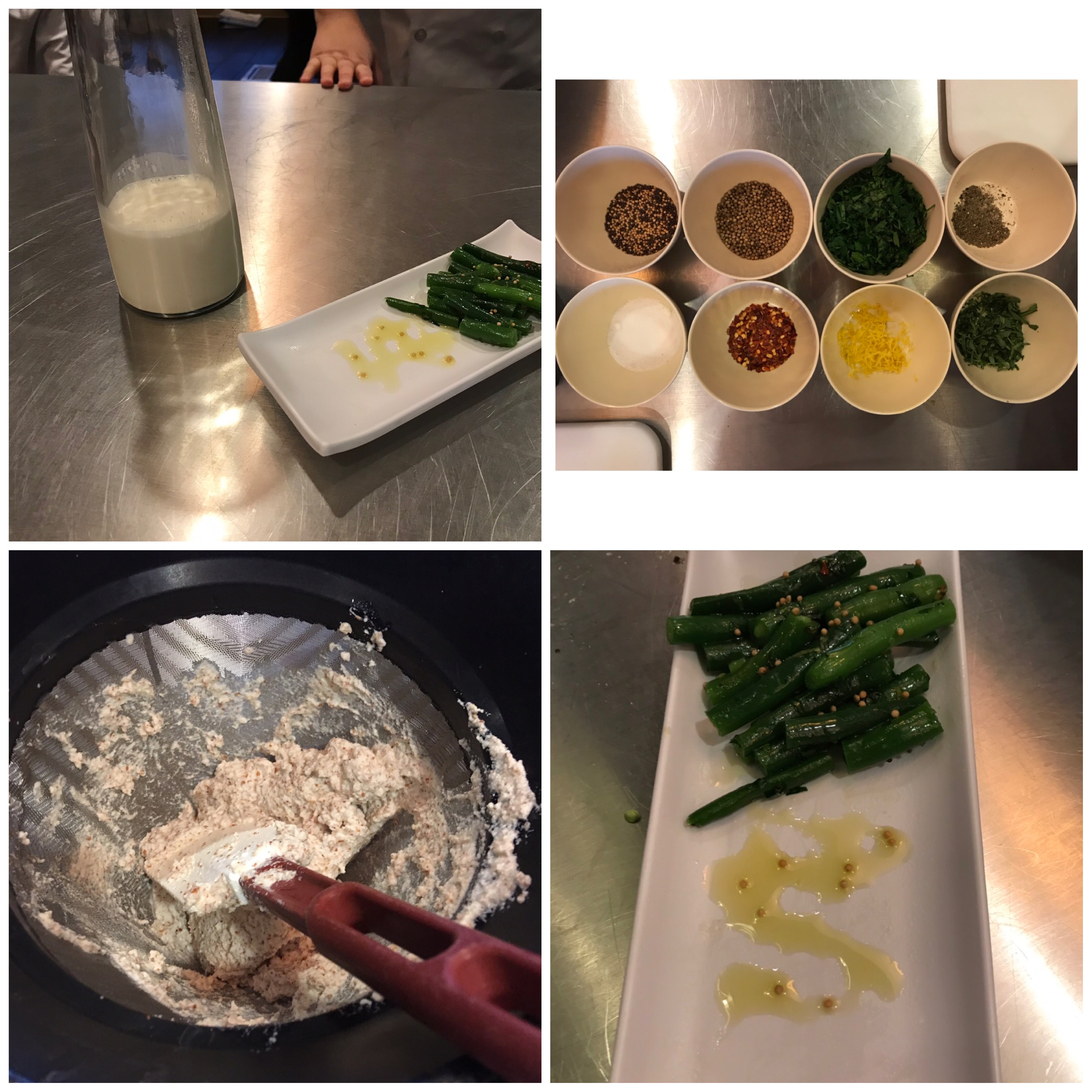
My group specifically made the Blanched Green Bean Salad. It took a lot longer than I thought to prep, but once it was finished man was it delicious! I had never blanched anything before so this was new to me. If I were to blanch a different fruit or vegetable, I would choose to blanch broccoli in salted water and then coat it with lemon juice and minced garlic. The texture of the beans was smooth at first and had a perfect crunch when you bit into it. The chili flakes gave it a nice bite at the end and the lemon zest added a sour zing to it. The overall flavors were amazing, I couldn’t resist bringing home leftovers! We also had the opportunity to make home made almond milk! My group chose to keep our milk simple with only adding maple syrup and salt until the flavor was just right. Other groups tried agave nectar and vanilla extract which also tasted amazing! We saved the pulp from the almonds to make almond flour and to use in future recipes which is a great way to reduce waste and re-purpose food!

What you’re looking at here in the top left is our final product of the Bean Salad and almond milk. The top right shows our Mise en Place of all of our ingredients to add to the salad. The bottom left is the almond pulp we saved and the bottom right is a close-up of our final dish.

There were many components in each of these recipes so it is important to know which is which. The fat components we used were olive oil for the green beans, sesame oil in the miso soup, and coconut oil in the zucchini fennel. The acids we used were lemon zest and lemon juice. One of my personal flaws is that I have never been able to really taste specific ingredients or flavors in food. Like I can taste things, but not really identify what I am tasting if that makes sense. My mom never really used seasonings when cooking when I was growing up so maybe that is why it is difficult for me to identify what tastes good together and what doesn’t. So to say what flavors complemented each other, I’d have to try and say in the Green Bean Salad that the sour flavor from the lemon zest went nicely with the salt added. The tarragon and fennel really stood out to me in the Zucchini Fennel soup. I’m not even sure what flavors I was tasting in the Miso Soup but it was definitely one of the best soups I ever tasted.

Overall, this was a successful week in cooking and I can’t wait to try these recipes at home!

Week 1: Knife Skills

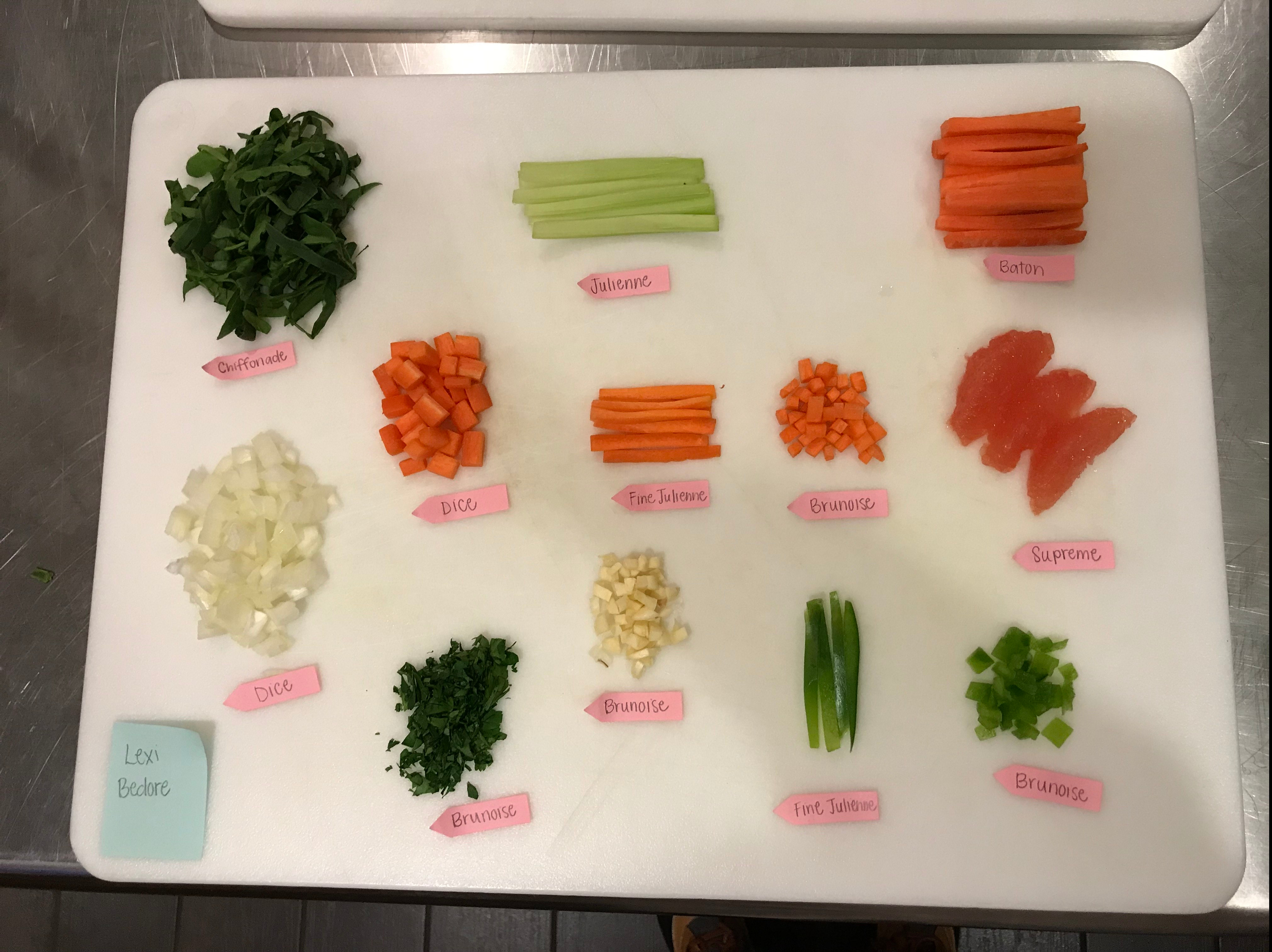
For our first class period, we practiced knife skills. This helped me a lot because I never really learned proper knife skills. I learned many different techniques like Julienne, Diced, and Supreme… which I already used at home once! Click on the link below to view my practiced knife cutting on various fruits and vegetables.

My goals for this class is to learn new cooking techniques that I can use at home as well as new plant-based recipes to cook for my boyfriend and I. This class will also help me to fulfill my major requirements for a bachelor’s degree in Nutrition. I plan to become a certified ASL interpreter and use that to work in the medical field of some sort.

Welcome to My Blog!

Hello! My name is Alexandria Bedore, but you can call me Lexi. I currently study Nutrition and Food at Northern Arizona University. Learning about food and it’s effects on the body is so interesting to me and I will be updating things I learn on this blog! I absolutely love traveling and exploring around Flagstaff as well as making arts and crafts and spoiling my boyfriend!

One cannot think well, love well, sleep well, if one has not dined well. – Virginia Woolf

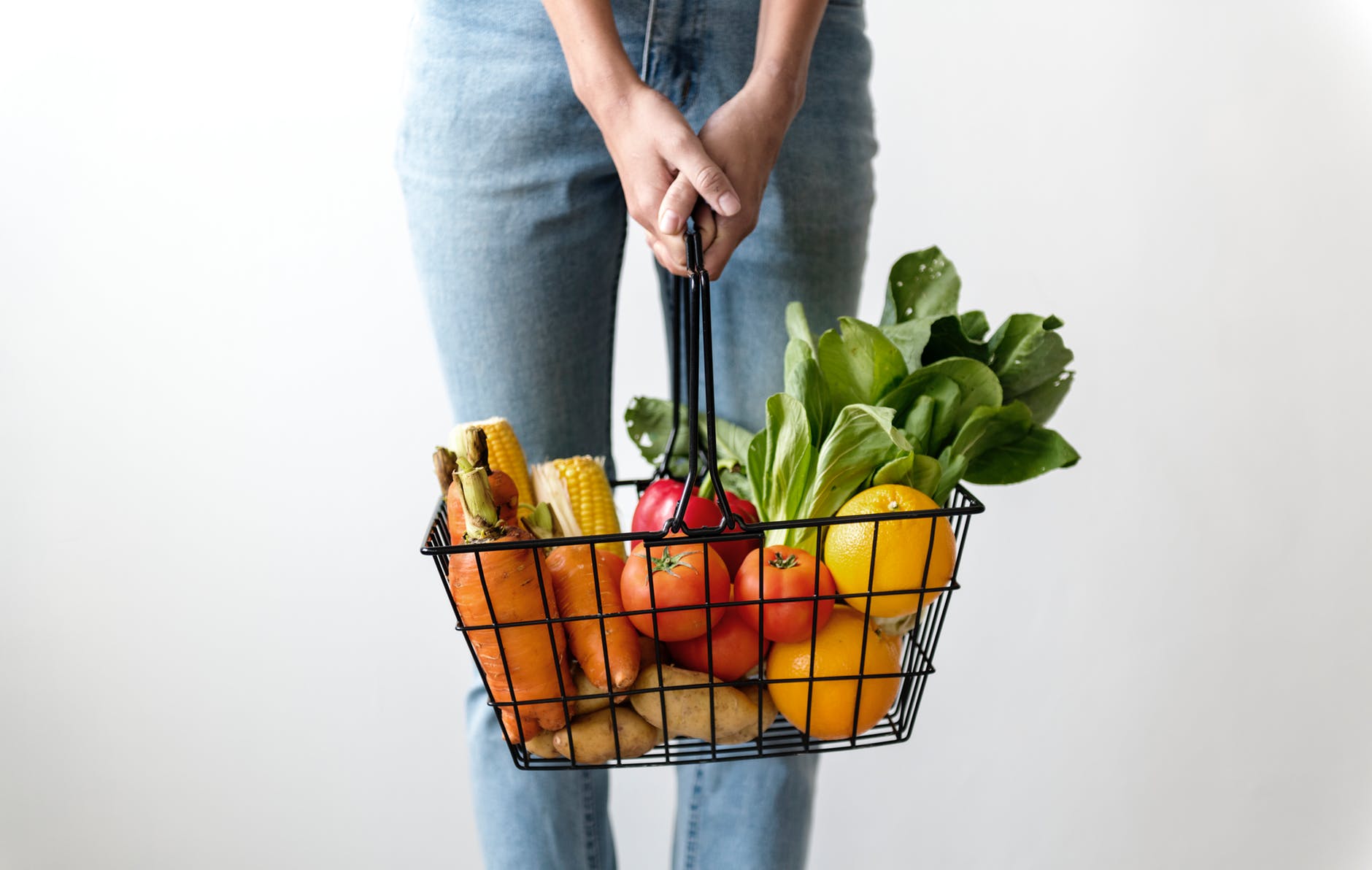
woman carrying basket of fruits and vegetables
Photo by rawpixel.com on Pexels.com