Wrapping Up

This last class was probably one of my favorites. We were challenged in the beginning to demonstrate everything we’ve learned about knife skills, flavor balancing, plating, and presentation in one simple dish. It felt like a real live cooking show which was a new experience for me. After that, we had a lot of fun making new recipes together and trying them at our family meal time. I learned so much about superfoods, juicing, and detox and I do plan to incorporate some of these things into my daily routine. I like the idea of bringing the superfood, beets, into my routine because I never used to eat or cook with them and I love eating new foods. They also offer a lot of great health and detox benefits. I also think I might try juicing with different detoxifying foods like apples, celery, cucumbers, and oranges. The only reason I am hesitant to juice is because it strips the fruit of it’s fiber. As long as I am eating other high-fiber foods, I am willing to incorporate juicing into my life. Take a look at the amazing recipes we made for this last week of cooking!
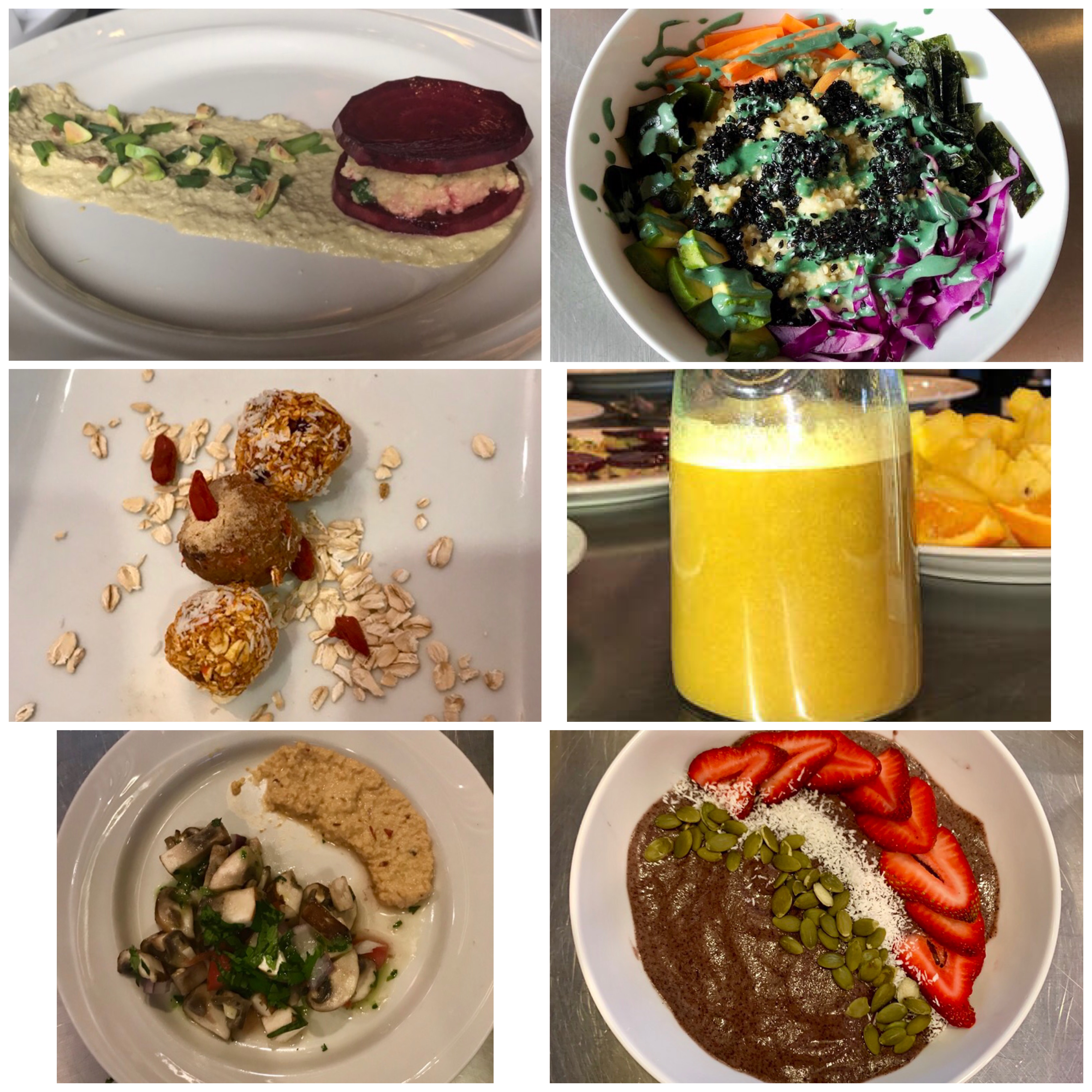
Top left- Beet Ravioli. Top right- Millet Bowl
Middle left- Super Energy Balls. Middle right- SpiC Juice
Bottom left- Mushroom Ceviche. Bottom right- Acai Bowl

The top ten things I have learned this semester are:

  1. Plating and presentation is very important when preparing and serving food. Some guidelines to follow include odd numbers, clean one-inch borders, edible garnishes, and appropriate portion sizes. These can all help the appeal of a dish and entice people to eat your dish.
  2. The importance of flavor balancing. The six elements of flavor balancing include sweet, salty, acid/tart/sour, pungent/spicy, bitter, and fats. Examples of sweets include dates, agave, and maple syrup. Salts can be salt, tamari, and meso. Acid includes lemon, lime, and vinegar. Examples of pungent are garlic, onion, and ginger. Bitter can include kale, parsley, and cinnamon. Fats are oils, avocado, and tahini. A recipe should include a balance of the 4 main components of salt, fat, acid, and heat.
  3. Soaking grains and legumes before cooking with them is extremely important to suck the anti-nutrients out of them. Anti-nutrients are plant’s natural components to keep predators from eating them. They disrupt our body’s ability to absorb the good nutrients from the plant. Soaking helps to extract these from the plant sources so we can better absorb the nutrients.
  4. Most non-organic produce are full of pesticides that are known to cause cancer. Isn’t it so unfortunate that something that is supposed to be so good for us can also be so harmful? The “dirty dozen” or top 12 produce that is linked with the most pesticide use includes strawberries, spinach, kale, nectarines, apples, grapes, peaches, cherries, pears, tomatoes, celery, and potatoes. Choose organic!
  5. We CAN get our protein requirements from plants! Greens and grains offer lots of protein and it is possible to get enough protein from plant-based foods. Quinoa is one of the very few foods that contains all 9 essential amino acids.
  6. Our gut is known as our second brain. It has been found that maintaining a healthy gut greatly influences our overall mental health and mood. A diet full of pre and probiotics can benefit our gut microbiome in ways we can’t even imagine. Small amounts of fermented foods like yogurt, kimchi, and sauerkraut are great to have each day to maintain healthy bacteria in the gut.
  7. Food sensitivities are the number one illness affecting Americans and sadly, about 80-95 percent of people with food sensitivities go undiagnosed. Not knowing what foods cause distress on your digestive system over long periods of time can stress and weaken your body and immune system.
  8. Eating foods low on the glycemic index can offer a variety of health benefits. Examples include weight management, reduced cravings, stable moods, more energy, and stable blood sugar levels.
  9. The Pritikin, Ornish, and Nutritarian diets are all very similar in the fact that they limit processed foods, meat, and sodium. They increase dietary fiber, fruits, vegetables, nuts, and legumes. Their goal is to prevent diseases that affect so many Americans like diabetes, cardiovascular disease, and metabolic syndrome.
  10. Eating a raw food diet can offer lots of nutrients because nothing is cooked. Nutrients often leak out of our food when we heat them, so eating everything raw prevents this from happening and offers ultimate nutrition. It also helps to avoid processing and chemical additives that are often put in our foods. People who follow a raw food diet can often be deficient in vitamin D or vitamin B12.

Overall, I have learned so many things in this class throughout the semester. My favorite thing about the kitchen labs was trying so many different foods and recipes that I never even thought about eating. If there was one thing I would do differently, it would be to present each head chef meal project to the class rather than strangers. It felt a little awkward and I think it would be more influential to see each presentation. I am very thankful for all of the recipes I tried, the information I’ve gathered, and the friends I’ve made just in this class. If there is any course that has impacted me the most during college, it has to be this one.
Raw Food and Ayurveda Diet

After never really hearing about the Raw Food Diet or the Ayurveda Diet, I learned so much about them this week by making meals that follow these diets. The five biggest things I learned were as follows:

1. The raw food diet is the oldest way of eating. This is the way hunters and gatherers lived by consuming unheated and unprocessed foods. Aside from the raw food diet, there is a raw vegan diet which is over 200 years old.

2. There are many benefits to the raw food diet. First off, the diet is full of unprocessed foods which greatly reduces exposure to chemical additives, refined sugars, and hormones found in animal products. This makes it one of the most cleansing and healing diets. This diet also restores alkaline balance within the body which prevents diseases like heart disease, diabetes, cancer, rheumatoid arthritis, and fibromyalgia. This diet also improves energy and digestion and promotes weight loss.

3. Ayurveda is one of the oldest sciences and health practices dating back to over 5,000 years ago. The idea of Ayurveda is to create balance within the mind and body. This can be done by alignment with nature and cleansing with the right diet and lifestyle choices.

4. There are 3 doshas within the Ayurveda diet that makes up a person’s constitution. Each person typically aligns more so with one specific dosha, but can have qualities of the other two doshas as well. The doshas are called Vata, Kapha, and Pitta and they describe the specific foods you should be eating based on which dosha you are. For example, Vata people are typically cold and have creaky joints. They should eat warm, soothing foods to balance out their body.

5. Practicing each of these diets offers a lot of health benefits and disease prevention, but can lead to deficiencies in Vitamin B12 and Vitamin D. This can happen due to lack of animal products consumed in the diet. A supplement should be considered when following a raw vegan diet or the Ayurveda diet.

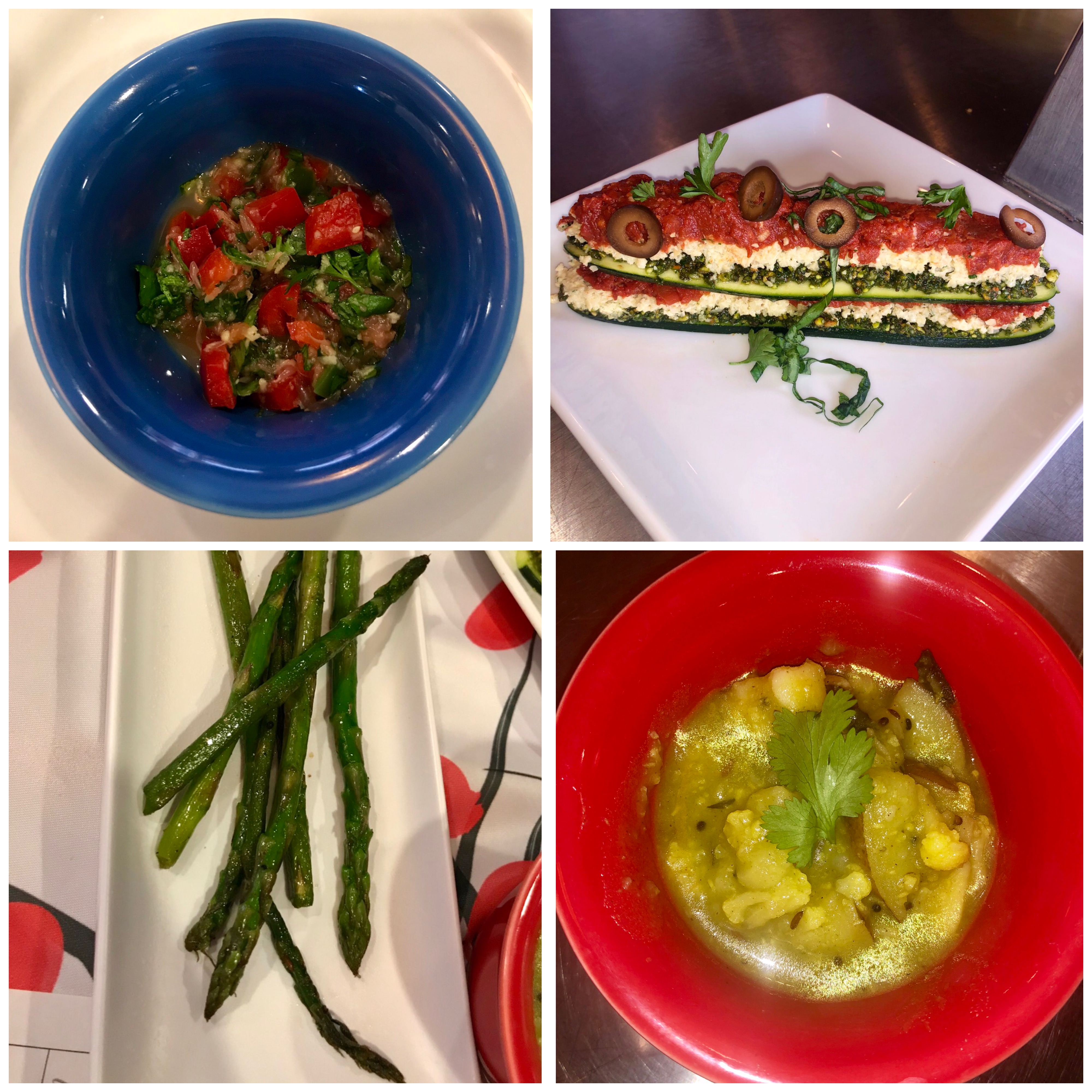
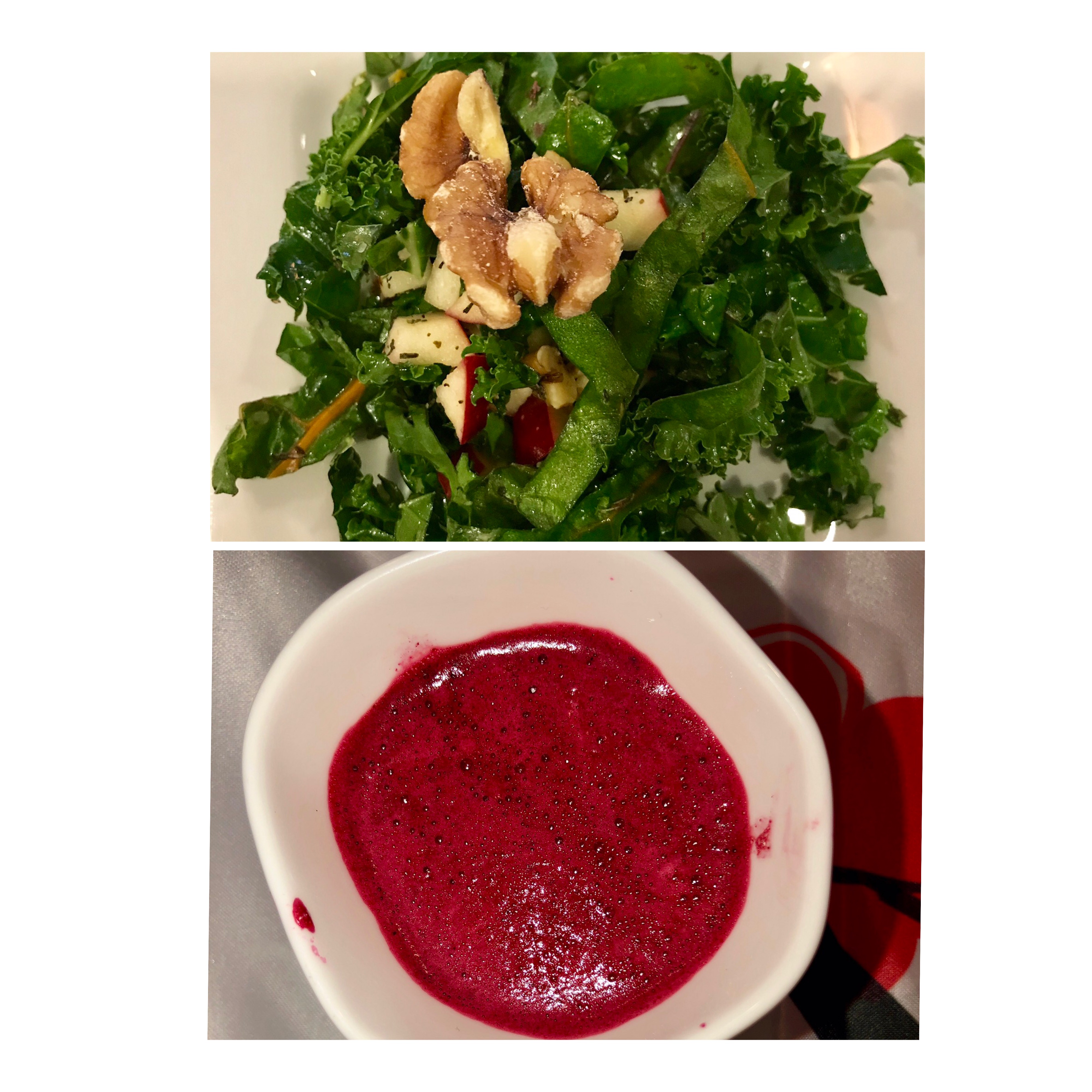
The recipes we made were super delicious this week. Each one was full of fruits and vegetables which, of course, offers tons of nutrients. For the Ayurveda diet we made a Grapefruit Chutney, Spicy Sauteed Asparagus, Cauliflower and Potato Subji, and an Indian Flatbread. For the raw food diet we made a Beet Juice, Kale and Walnut Salad, and a Classic Raw Lasagna. Each recipe offered so much flavor and difference in textures. My favorite dish was the Classic Raw Lasagna. It consisted of zucchini for the “noodles” and in between each layer was a creamy ricotta (made of cashews), marinara, and pesto. It was so delicious, I could not believe it was all plant-based, uncooked food.

The top left is the Grapefruit Chutney and the top right is the Classic Raw Lasagna. The bottom left is the Spicy Sauteed Asparagus and the bottom right is the Cauliflower Potato Subji.

These were the recipes I made. The top is the Kale and Walnut Salad and the bottom is the Beet Juice.

The DASH Diet

The DASH diet stands for Dietary Approaches to Stop Hypertension. This diet is used to lower blood pressure in order to prevent diseases like diabetes or cardiovascular disease. The parameters of this diet include daily servings of: Grains 6-8 Vegetables 4-5 Fruits 4-5 Low-fat dairy 2-3 Meats, poultry, and fish 6 or less Fats and oils 2-3 Weekly servings of: Nuts, seeds, and legumes 4-5 Sugar 5 or less

The idea of this diet is to reduce the amount of sodium intake as well as alcohol, caffeine, and sugar. This diet also increases whole foods, fruits, vegetables, and fiber. Following this diet will help to achieve a healthy body weight and reduce blood pressure which will reduce your risk for developing diseases. A one-day meal plan for a person on this diet would look like the following example:

Breakfast:

Oatmeal (organic steel cut oats) to increase fiber Orange for vitamin C and potassium Hard-boiled eggs (2) for protein Glass of low-fat milk for calcium

Snack- apple for antioxidants and peanut butter for protein, zinc, and magnesium.

Lunch:

Kale Chicken Salad with kale, spinach, broccoli, carrots, chicken, sunflower seeds, tomatoes, and a small amount of low-fat ranch dressing. The broccoli and kale will give vitamin K, the carrots will provide vitamin A, and the tomatoes will give vitamin C. The sunflower seeds add fiber, zinc, folate, and vitamin B6. The chicken will give protein as well as vitamin b12 to help brain function and energy levels. The dressing is for taste and enjoyment.

Snack- Carrots and hummus for vitamin A, sodium, calcium, and magnesium

Dinner- Salmon for omega 3 fatty acids and magnesium Roasted bell peppers for vitamin C and potassium. Roasted asparagus for vitamins A,C,E,K, and B6 as well as minerals such as folate, iron, copper, and fiber. Brown rice for fiber

Dessert- Dark chocolate for antioxidants

I learned about three new diets that are similar to the DASH diet in that they aim for optimal health and disease prevention. The first diet is called the Nutritarian diet and is based on the principles of high nutrient-density eating. The equation used for this diet is

Health = Nutrients / Calories.

It’s mainly a plant based diet with the majority of low calorie, nutrient dense foods being eaten and the least amount of high calorie foods eaten. It involves lots of fruits, vegetables, whole grains, nuts and seeds, and very minimal meat. It’s main focus is nutrient density of foods. This diet has been shown to promote health and longevity of life because of all of the whole foods being eaten versus processed foods.

The next diet is the Pritikin diet which focuses on a wide variety of whole foods and very limited processed foods. It is very similar to the Nutritarian diet, but the main focus is different. The components of this diet include fruits, vegetables, whole grains, and calcium-rich foods. It involves small amounts of fish and lean meats and tries to avoid all processed, high sodium foods. It’s main focus is to promote a healthy weight and prevent the main killer diseases such as hypertension, diabetes, and heart disease.

The third diet I learned about is the Ornish diet which focuses on nutrition that makes your body feel good, promoting a joy of living, not having fear of dying and gaining overall health. It focuses on consuming predominantly fruits, vegetables, whole grains, legumes, egg whites, and nonfat dairy. The idea of this diet is to reverse diabetes, heart disease, and prostate cancer as well as promoting a healthy weight. I love this diet because it doesn’t classify foods as good or bad, just certain foods offer more health benefits than others. All three of these diets are very similar in the foods consumed and the idea to improve quality of life, overall health, and risk for diseases.

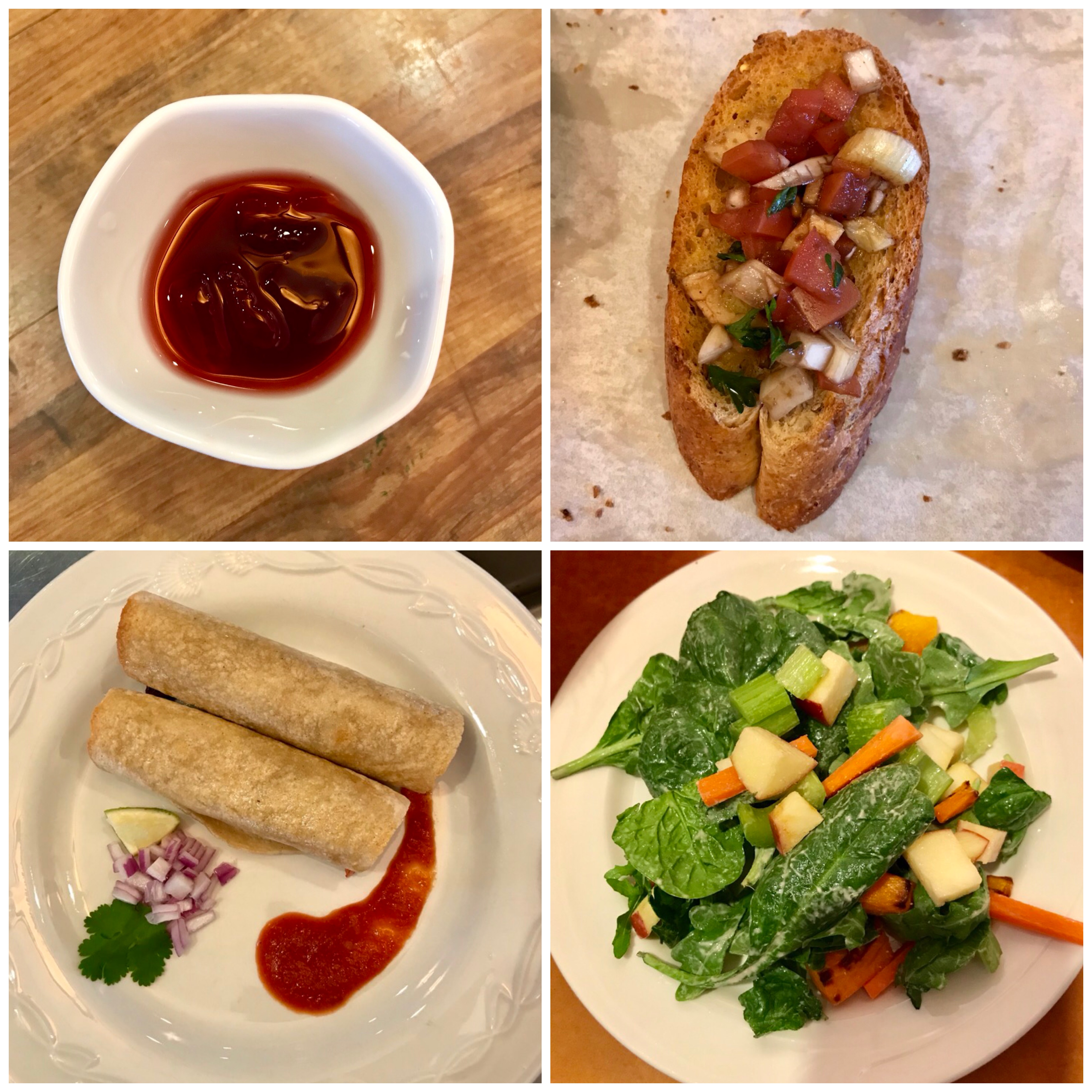
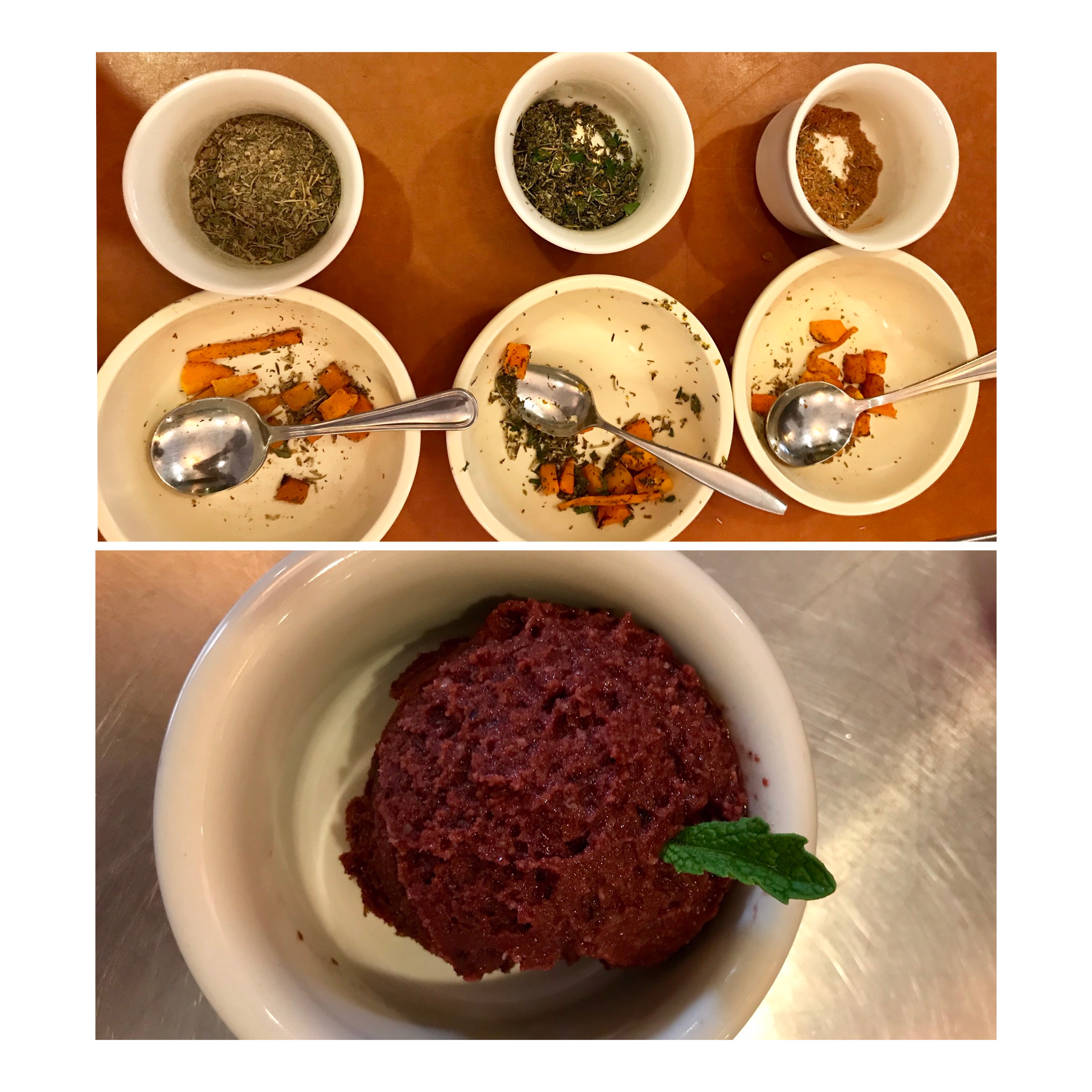
This week in class we made five delicious recipes that followed the DASH diet and three different seasonings that had no salt (a component of the DASH diet to limit salt intake). The recipes included a tea, bruschetta with arugula, spinach and apple salad, bean enchiladas, and a chocolate cherry ice cream. My favorite was the bean enchiladas because I loved the combination of vegetables and beans along with the spice from the sauce. All of the recipes were delicious though and I am definitely going to try and make the ice cream at home. I personally love dessert and am always looking for ways to incorporate healthier options. The recipes this week went very well together and followed the DASH diet really well. It incorporated so many nutrient dense foods and very limited salt. I also loved the idea of making different seasonings to use for poultry, beef, or seafood that doesn’t include salt. I think this diet is not only helpful for people with hypertension, but every person who wants to decrease their risk for disease. It is easy enough to follow and gives great guidelines to eating in a way that promotes health.

The top left is the tea and the top right is the bruschetta. The bottom left are the enchiladas and the bottom right is the spinach and apple salad.

The top photo shows the seasonings with no salt added. The bottom is the recipe that I made with my partner Jackie, the chocolate cherry ice cream.

Cancer Prevention and TCM

This week we focused on a cancer prevention diet as well as Traditional Chinese Medicine or TCM. The main ideas behind TCM include disease prevention, prolonging vitality, and conditioning the mind and emotions by what we eat. It is a more natural approach to health compared to Western Medicine. One of the main differences between drug development in TCM and Western Medicine is that in TCM, medicines are a group of herbs tested on humans. In Western Medicine, drugs are created at the cellular and molecular level. Western medicine focuses heavily on science and technology while TCM focuses on the body as a whole and the flow of Qi. For instance, if you have a rash on your body, Western Medicine would give you a topical ointment to heal it. TCM would ask about what you are eating and try to treat it from within the body. Some new things that I learned about TCM is that when the entire body is in balance, optimal health occurs. I also learned that different foods are classified as warming or cooling and they have great effects on the body. For example, chili peppers are very warming so if you have certain things going on in your body like acne or rosacea, you should avoid warming foods and eat cooling ones. Some benefits of TCM include using more natural approaches to healing the body, focusing on improving sleep, reduces inflammation, improves digestive health, regulates hormones, and protects and improves cognitive function. I think TCM can be useful in preventing disease and keeping the body healthy and in balance. Some drawbacks from adopting TCM as an approach to health could be the inconvenience of concocting a medicine as well as the length of time it could take to cure a disease. Western medicine typically cures common illnesses quickly and efficiently. There are strengths and weaknesses to both Western Medicine and TCM and I think they can be used together to improve health.

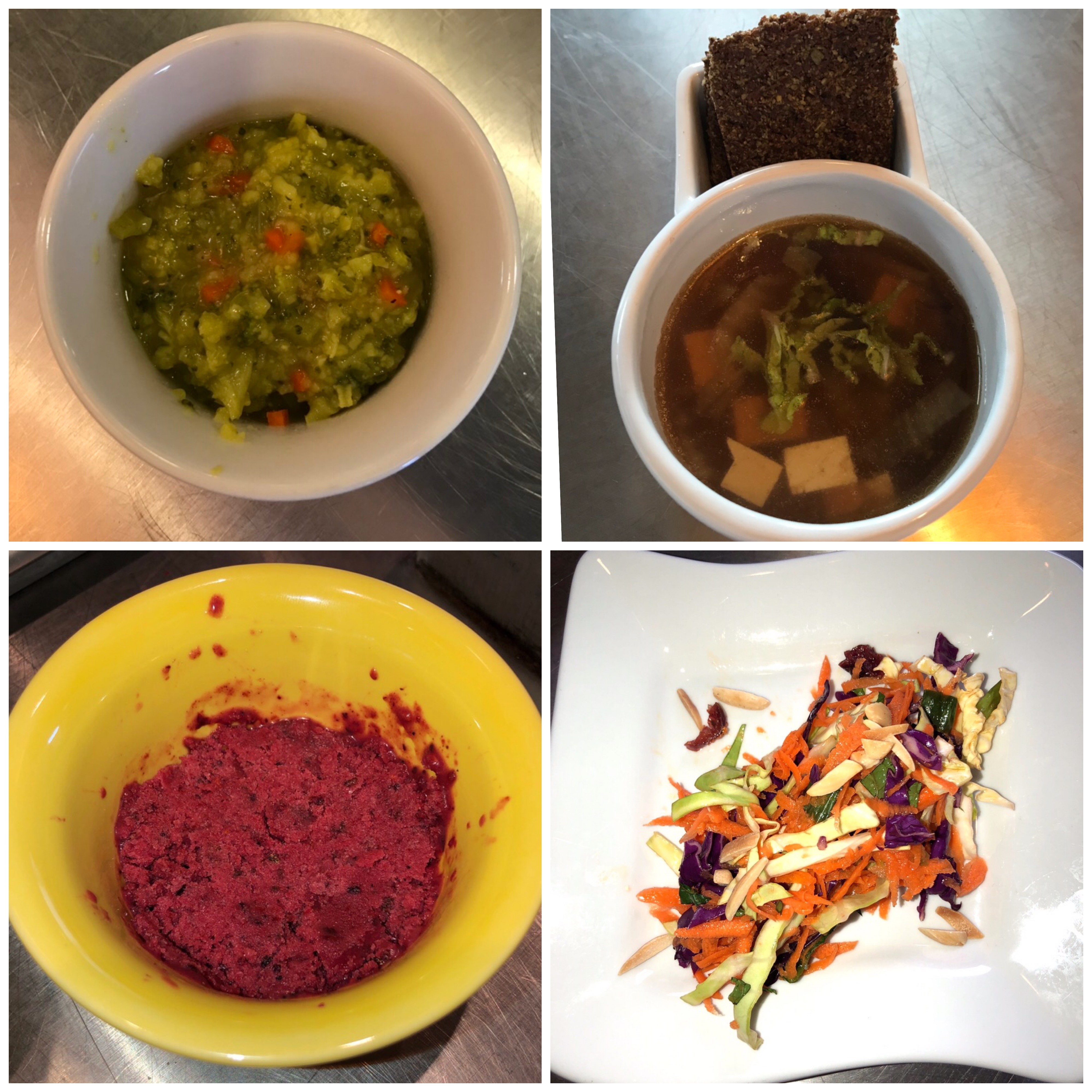
This week we made some delicious recipes. The new food I tried this week was tofu. I have always been a little weirded out by tofu and never wanted to try it. We made the tofu in a soup and I thought this would be a great opportunity to try something new. The taste was fine, it just tasted like the broth it was cooked in. The texture, on the other hand, was something I was not a huge fan of. It was a little too chewy for me. I am glad that I tried it, but I don’t think I will be eating that again any time soon. There were, however, some recipes that I really enjoyed and definitely plan on making again at home. The flaxseed crackers and the cashew scream were so delicious and so easy to make! They don’t require too many ingredients and were not very time consuming… aka a college student’s dream recipe. I really enjoyed all of the recipes this week and loved learning about TCM and cancer prevention.

The top left is the Vegetable Congee and the top right is the flaxseed crackers and tofu soup. The bottom left is the cashew scream and the bottom right is the carrot apple slaw.

Foods that influence cancer prevention include a plethora of fruits and vegetables. Apples, cranberries, mixed berries, carrots, leafy greens, and cruciferous vegetables all aid in the prevention of cancer due to their antioxidant properties, vitamin C content, and fiber content. Eating plants is the best way to prevent cancer as well as reducing sodium, alcohol, sugar, and processed foods/meats.

Create Your Own Meal!

This week we were able to cook and create a recipe from home! I chose to make a veggie stir fry. I do not eat meat so I love to buy different vegetables and throw them all together into some sort of dish. I thought the vegetables that I already had at home would go great with some rice and sweet and sour sauce! The recipe I created is as follows:

1 orange bell pepper 1 yellow bell pepper 3 stalks of broccoli 1/2 bunch of asparagus 2 tbsp sesame seeds 1/2 jar of sweet and sour sauce 2 bags of boil-in-bag brown rice

This recipe is super simple and anyone can do it! Basically just cut up the vegetables how you want and steam them! Then just boil the rice, roast the sesame seeds, mix it all together and you have a delicious meal! Aside from being delicious, this recipe also offers some great health benefits. Asparagus offers lots of fiber, folate, and vitamins A, C, and K. It is great for digestion and even helps lower blood pressure! Bell peppers are a great source of vitamins A and C as well as potassium. They also offer lots of fiber and iron. These are great to boost your immune system and keep your gut healthy. Broccoli is packed with lots of vitamins and minerals and has great antioxidant properties. It helps destroy free radicals roaming around the body. Broccoli also has bioactive compounds that can act as an anti-inflammatory. Brown rice is full of B vitamins and magnesium which actually decrease your risk for metabolic syndrome. Sesame seeds are a great source of fiber as well as essential minerals like copper, magnesium, and calcium. As you can see this recipe is full of amazing nutrients and is super easy to make!

I used two cooking techniques that I had recently learned from this class. I used the steaming method to steam all of the vegetables together. I put them in some water, covered, and let them steam for about 10 minutes. I also used the roasting method to roast the sesame seeds. I has never even known to roast seeds before so it was fun to try it at home! Overall, this assignment was really fun and I got to create a new recipe that I can now use forever!

If you would like to see a video of me making this dish, you can view it below!

The Glycemic Index

This week was probably my favorite week by far. We had been working on making a nut cheese for about two weeks. We blended up some nuts and flavored it with lemon juice and salt and then we let it ferment for a week. We then added some herbs to enhance the flavor. I personally added thyme and oregano and a little bit more salt. We let it ferment for one more week and then we got to plate it and eat it! Plating the nut cheese was super fun because we got to be creative and decorate our plates with different sweet and salty flavors. I put raisins, almonds, and sun-dried tomatoes soaked in olive oil on my plate. I wasn’t sure how the nut cheese would taste, but I actually really enjoyed it! My boyfriend even tried it and he loved it! I am really glad I was able to experience how to make this yummy treat.

My plated nut cheese!

Aside from the nut cheese, we focused mainly on the glycemic index and its relationship to diabetes. The glycemic index measures how quickly a food converts into glucose. The glycemic index is based on a 100 point scale. Understanding how certain foods are rated on the scale can tell you how the food will influence your blood sugar levels. For example, a food rated highly on the scale will drastically increase your blood glucose which can affect your mood and energy levels. Knowing how the glycemic index of food works can be useful for anyone, so that you don’t put your body through dietary stress. However, it is mostly useful for people with diabetes who need to control their blood glucose levels and keep them in a regular range. They must eat more foods that are low on the glycemic index scale, so knowing which foods are considered low GI is crucial.

I learned about alternative sweeteners to use in recipes that are lower on the GI scale to prevent spikes in blood sugar. To highlight a few- coconut nectar, Jerusalem artichoke syrup, and lucuma are all great alternative sweeteners that are low on the GI scale. These sweeteners also offer a great nutritional benefits. Coconut nectar contains many vitamins, minerals, and amino acids with a glycemic index score of 35. Jerusalem artichoke syrup is very high in fiber and contains a prebiotic called inulin. Lucuma contains a moderate amount of minerals and is also high in fiber. I personally use agave nectar in my recipes and in my tea. It is really sweet so you don’t need to add much to your recipes. I would probably considering using coconut nectar just to switch to a sweetener that is lower on the glycemic index and to prevent dietary stress. Overall, the glycemic index is something to be aware of and to guide you to make better dietary choices.

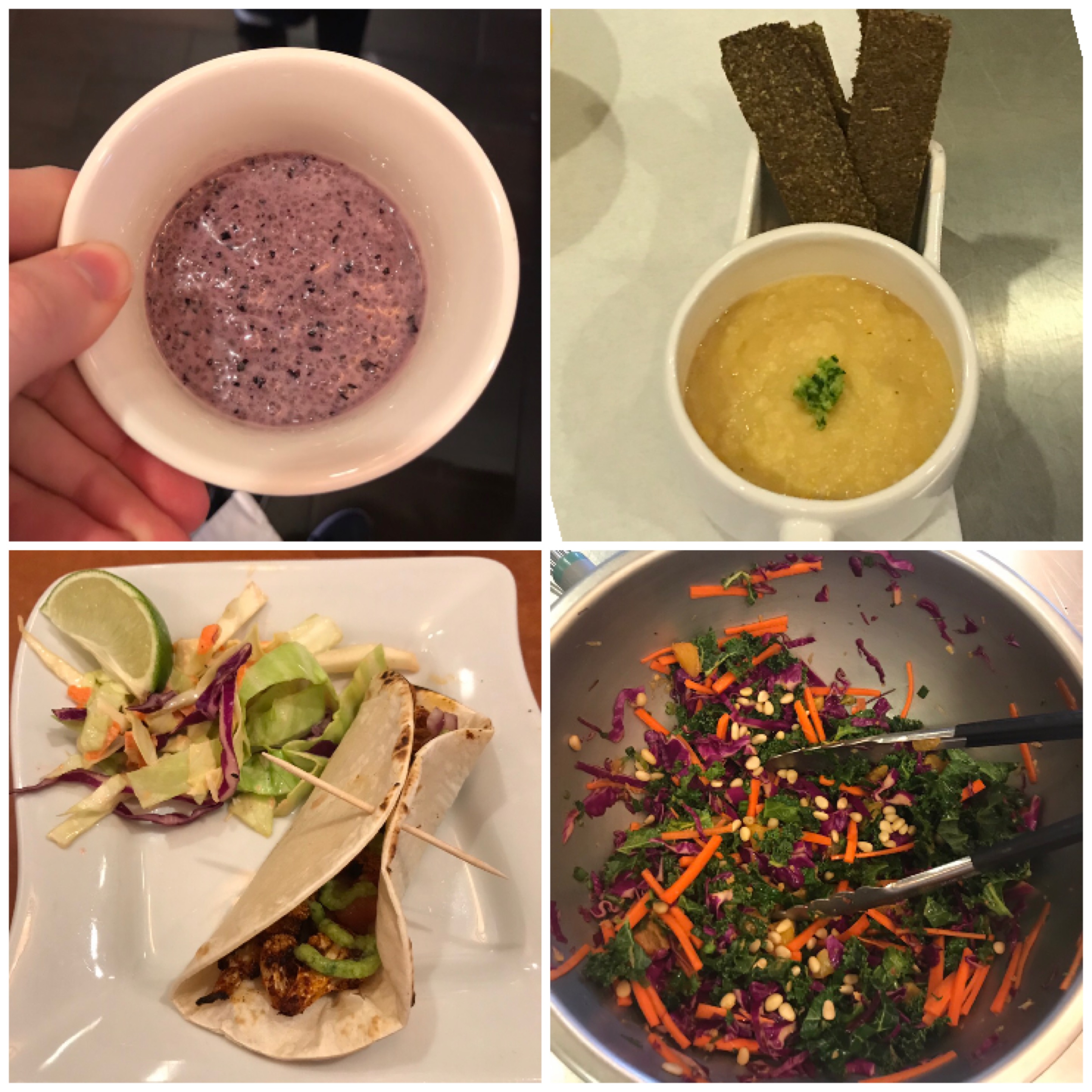
The top left photo is a blueberry chia pudding and the top right is the turmeric crackers with a sweet potato and red lentil soup. The bottom left is the coleslaw and street tacos and the bottom right is a chinese cabbage salad.

The photos above are pictures of the recipes we made this week. Each one was so delicious and very colorful! I personally made the the chia pudding which was a bit more difficult because the almond milk required for the recipe, we had to make from scratch. We flavor balanced it before adding it to the pudding which looking back, we probably should not have done. We added vanilla to make the milk sweeter but did not realize that the pudding recipe called for vanilla. We added less vanilla to the pudding that what it called for, but it still was a little overpowering once the pudding had set. Overall, the recipes turned out great and I can’t wait to try some of them at home!

The FODMAPs Diet

Many people experience gut distress when they eat certain foods. We eat food all throughout the day so it can be hard to know which food is causing the discomfort. FODMAPs are a type of carbohydrate found in all sorts of different foods that are not easily absorbed in the gut. It stands for Fermentable, Oligosaccharides, Disaccharides, And Monosaccharides. Basically, if you through a list of high FODMAPs foods and you tend to eat a lot of them, try cutting out the ones you eat the most. If you are still finding yourself in gut distress, cutting out all of the categories of FODMAPs is the next step. Don’t eat any high FODMAPs foods for 6 to 8 weeks and then slowly add each category back to your diet. If one category starts to cause pain again, you know which foods to avoid forever. To decide which foods to start bringing back first, you can either start soft and bring back low FODMAPs foods first and work your way up to high FODMAPs foods or you can go all in and bring back high FODMAPs foods first. You can also just begin by adding back your favorite FODMAPs foods and see if they are causing you pain. Meal planning for FODMAPs can be very restrictive, which is why it should only be done for a short period of time. It can be very effective in determining which foods are causing distress on your digestive tract. There are actually quite a few foods that should be limited for FODMAPs that surprised me. These include nectarines, watermelon, onion, green bell peppers, and cashews. For celiac disease, I did not realize how many foods contain gluten! Foods such as beer, barley, candies, and even cosmetic products can contain gluten. Having gut issues is never any fun and is not healthy either! Learning what foods irritate your system and avoiding them can do wonders for your overall gut health and immune system!

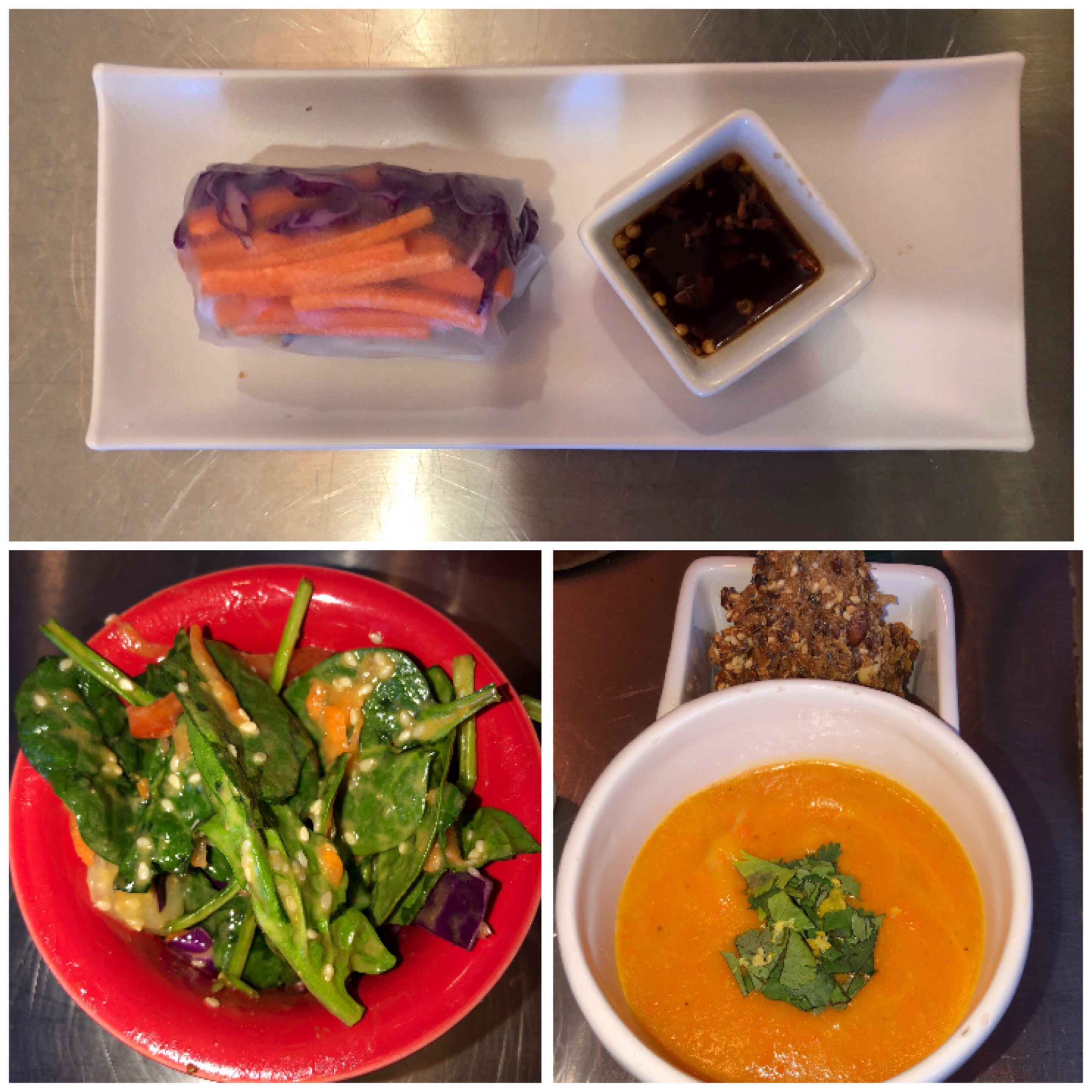
In class today, we focused on serving meals that followed the FODMAPs diet and they turned out amazing! We made a Crunchy Asian Salad, a Pumpkin Noodle Soup, Seeded Crackers, Summer Rolls, and Vegan Thai Iced Tea. We had to make a few substitutions to follow the FODMAPs diet. For example, for the Asian salad we used tamari instead of soy sauce and we also had to avoid using onions and garlic, very common ingredients in the kitchen. I didn’t really learn any new cooking techniques, but I used a cheese grater to shred carrots so that was new for me! I have never actually used a cheese grater because they honestly scare me so this was a new experience! The recipes turned out very colorful and tasted even better! It is so fun to see how to make good food based on a boring diet.

The top photo is the Summer Roll. The bottom left is the Crunchy Asian Salad and the bottom right is the Pumpkin Noodle Soup and the Seeded Crackers.

Overall, I am really enjoying this class and learning about so many different diets and foods to make. To prepare for class, I read through all of the attachments in our folder, I take the quiz, and I go through the recipes. To set up my work area, I always get a cutting board with a damp towel underneath, a knife, and bowls for scraps and mixing. Then once I read through the recipe, I gather all of the ingredients before starting so that I don’t have to keep going back and forth. For time management, like I said I gather all ingredients so that they are all at the table and I gather whatever other equipment I need. I start whatever is going to take the longest, first. I think I am getting better at plating my recipes. I use odd numbers, I leave white space, and I try and make it asymmetrical. To keep my work space clean, I try to clean as I go. When I know I am done with certain dishes I clear them right away and I clear trash that I don’t need at the table. When I have down time I wipe the table to make sure there is no mess. I think I am doing pretty well and really enjoying cooking each week. I will keep doing what I am doing. 🙂

Food Sensitivities, Intolerances, and Allergens

This week we talked about the difference between food sensitivities, intolerances, and allergens. We learned how to substitute the popular allergens with other foods while cooking. The top 8 food allergens are milk, eggs, fish, crustacean shellfish, tree nuts, peanuts, wheat, and soybeans. Sometimes people might not be allergic to a food but eating certain foods can cause digestive distress. If they do not know which food is causing their discomfort, it would be good to use an elimination diet. This means that they would cut a food out of their diet that they think might be causing the distress and seeing if their symptoms improve. It is best to not eat the food for about 4-6 weeks and then reintroduce the food. Wait about 48-72 hours to see if symptoms appear. If the symptoms come back after eating that food, you have a sensitivity to it. I know I keep using different words like allergy and sensitivity, so you might be wondering if there is even a difference. Well, I can inform you that there is a huge difference! A food intolerance is when a person has trouble digesting a food, or the digestive system becomes irritated by a certain food. It does not involve the immune system. A food sensitivity is very similar to an intolerance, but is more of just an adverse reaction to food and is a lot harder for doctors to diagnose. They can sometimes involve the immune system, but the reactions are often delayed making it harder to correlate the food with the symptoms. A food allergy is an immune response to consuming a certain food. Symptoms are severe and include hives, swelling of the tongue, and and anaphylactic shock.

Food sensitivities are the number one illness affecting Americans, with 80-95 percent of the population having sensitivities that go undiagnosed. Some symptoms of sensitivities include bloating, migraines, irritable bowel, stomach ache, diarrhea, heartburn, nausea, gas, and vomiting. There really isn’t any clinical cure for a food sensitivities, but being able to identify the cause of symptoms and then removing it from your diet completely is the best way to stop intestinal discomfort.

There is a helpful acronym to aid in gut restoration called the 5 R’s. The first thing to do is to Remove. Get rid of the stressors causing gut discomfort. This might include doing the elimination diet for a short time to figure out what food is wrecking havoc on your system. Next is Replace. Add things back into your diet like digestive enzymes and hydrochloric acid to build the gut back up. Third is to Reinoculate. This means to replenish all of the good bacteria back into your gut by adding pre and probiotics into your diet. You can get these from fermented foods or supplements. Fourth is to Repair. Help your digestive tract repair itself by adding zinc, antioxidants, fish oil, and glutamine. Last is to Rebalance. Making sure to get enough sleep and exercise with help to balance your GI system as well as controlling stress.

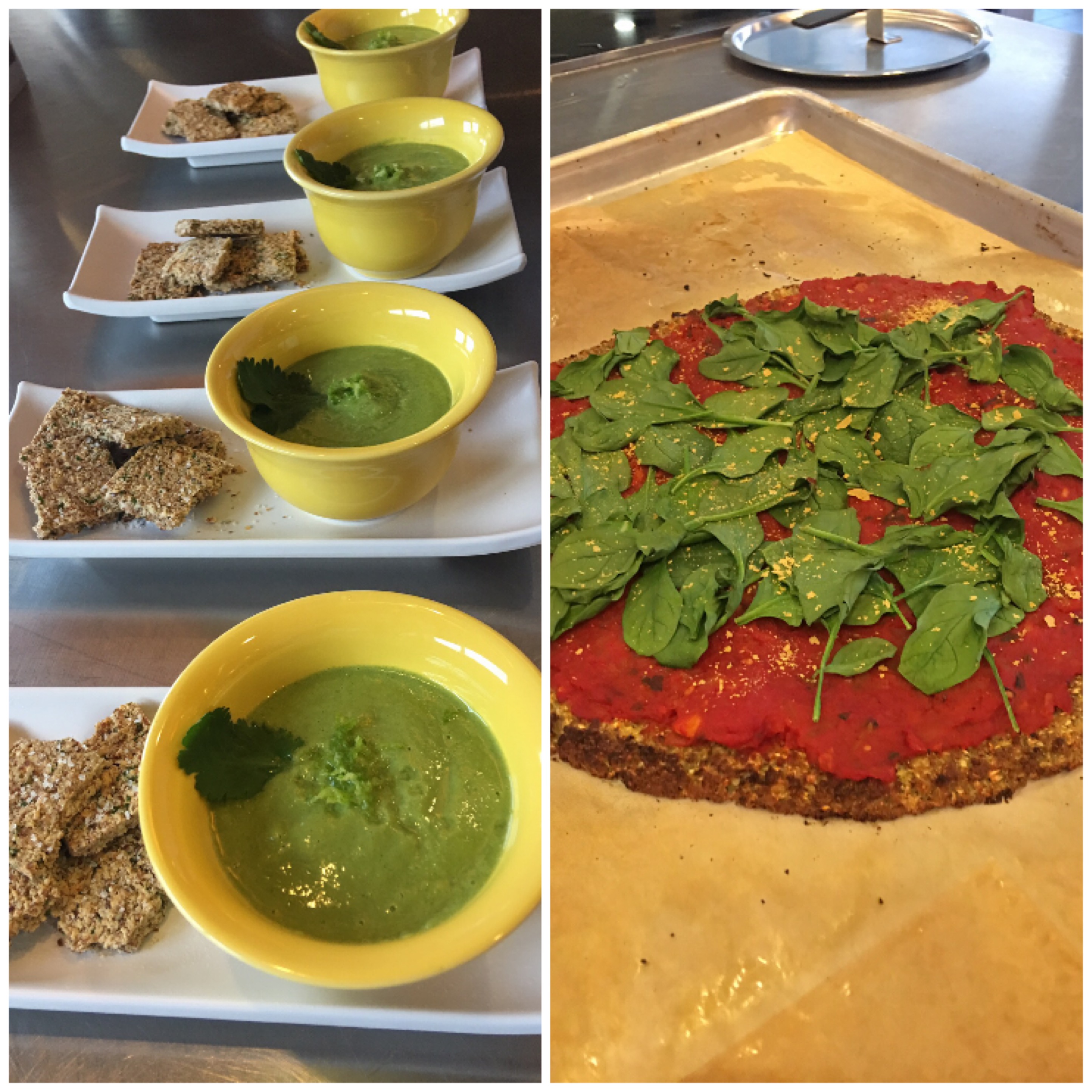
This week in class we made 4 recipes. The first was a greens soup and included cucumbers, avocado, watercress, wheatgrass, celery, and lime juice. We used a full avocado to substitute cream and it actually achieved a very creamy texture! The soup itself tasted a little earthy but I actually really enjoyed it. We made a nut cheese as well. We only did the first step, which was blend up all of the ingredients together, because we had to let it ferment for 24 hours. We substituted nuts for cheese to avoid any dairy products. I tasted it before we fermented it and it actually tasted really good! I liked the idea of not using dairy and think it actually tastes better. Next we made almond pulp crackers. These were super amazing for two reasons. First, it created zero waste because the almonds were first used to make almond milk. The leftover pulp was then used to make the crackers. Second, this recipe is perfect for people who are allergic to gluten. Any typical crackers would contain gluten, but these do not have any gluten and they’re super easy to make! I can’t think of a more perfect recipe; easy to make, no waste, and a yummy snack for everyone! The main dish that we made was the cauliflower crust pizza. Three different substitutions were used here. We first substituted using chia seeds in place of an egg. The gel that forms around the seeds after being soaked creates an egg-like texture and allows the crust to stick together. We also used cauliflower in place of actual flour. We also traded cheese for nutritional yeast. The pizza is now free of any dairy and wheat! It also tasted delicious and I think the texture of the crust was even better than regular pizza crust. This week was had some really amazing recipes and it was really cool to learn to cook using substitutions for allergies!

The left picture displays the greens soup and the almond pulp crackers. The right picture shows the cauliflower crust pizza.

Gut Health is the New Brain Health

This week we focused on the importance of gut health and how we can prepare and cook foods to benefit our microbiome! Our gut is our main protector on being able to fight infections and prevent disease. The main concepts we learned about was fermentation, soaking, and sprouting. There are so many benefits to each of these processes, I had no idea that how you prepare food can be so beneficial to our health!

Fermentation is basically turning a food into it’s enzyme and probiotic-rich version of itself. Think of it like when you take a bath and put on a face mask, you’re a better version of yourself. That’s what it’s like to ferment food! Eating a little bit of fermented food each day can do wonders for your digestive system and gut microbiome. Some nutritional benefits include removing the anti-nutrients found in certain foods like nuts and seeds. These anti-nutrients block the digestion and absorption of the good nutrients found in these foods. Once these anti-nutrients are removed, the body can actually absorb the fun nutrients. Looking at the benefits of digestion, fermentation allows billions of life-giving microorganisms to proliferate and populate in our gut to get rid of unwanted bacteria and to increase nutrient absorption. Interestingly, it has been found that a healthy gut increases mood and decreases symptoms of depression, anxiety, ADHD, and even autism. Adding fermented foods to the diet can detoxify the colon, increase immunity, and reduce cravings for sugary foods. Who knew that fermented foods had SO many health benefits?!

Soaking and sprouting is good to do for foods that contain anti-nutrients like nuts and seeds. They have anti-nutrients to inhibit enzymes and to protect themselves from being eaten. These prevent our digestive system from breaking down nutrients and absorbing them. Have no fear though! Soaking and sprouting these foods in water neutralizes the anti-nutrients and allows us to digest and absorb as if they were never there! Soaking can also remove tannins and any residue from being shipped, resulting in a nicer flavor overall. It is important to note that you must be careful to not over-soak the nuts, seeds, or whatever you are soaking. This can lead to an unpleasant flavor or texture and can decrease nutritional value.

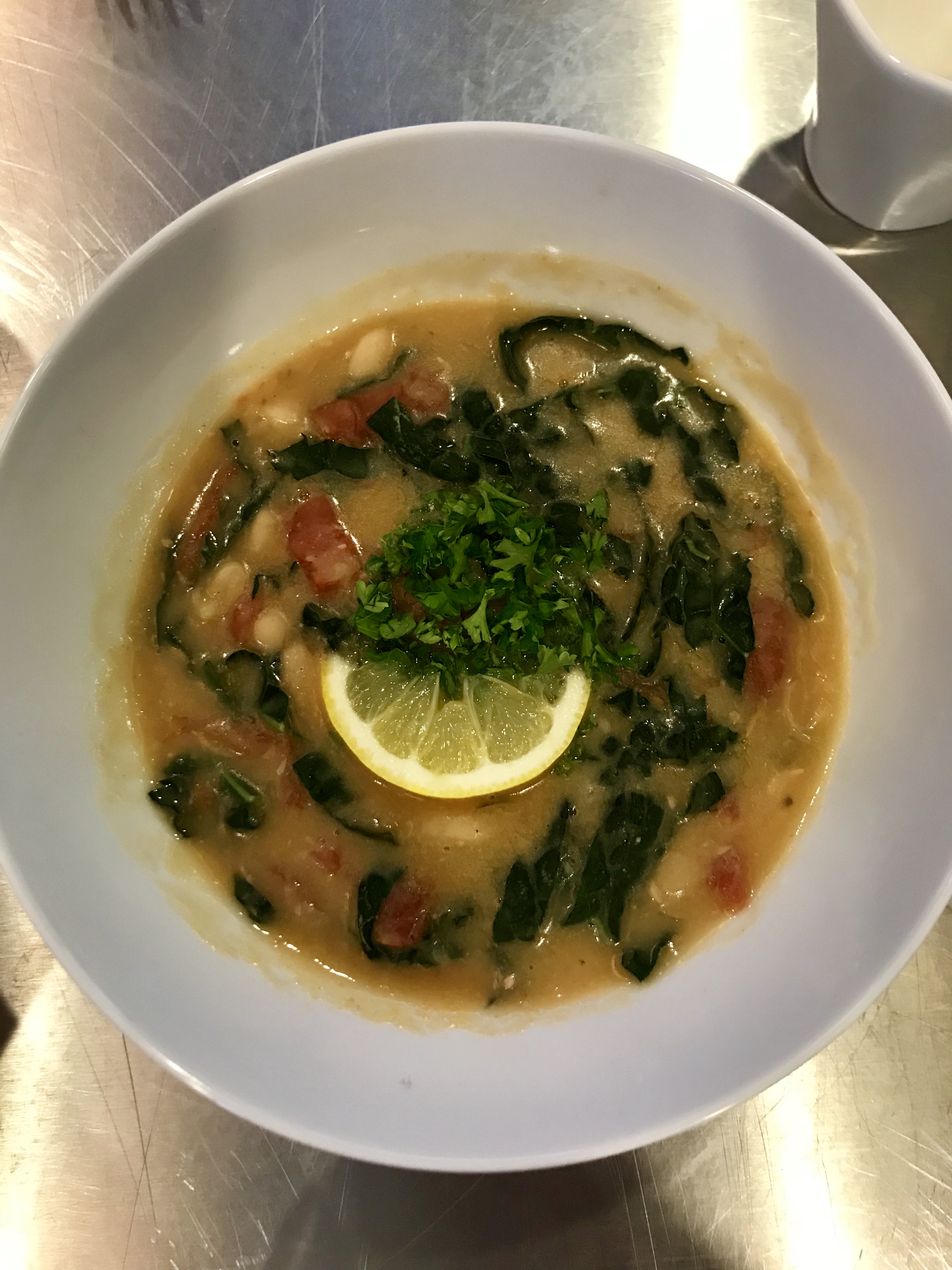
This week’s recipes were very unique and so delicious! A high for this week was probably learning more delicious meals to make at home and taking some time to de-stress a little bit. A low would be that there are a lot of stressful things going on. It was super nice to be able to cook, learn, and eat! My team member and I made the Tuscan White Bean Ragout which was probably my favorite dish of the night. It had a creamy, stew-like texture and so many nutritional benefits. We got Vitamin C from the kale, tomatoes, and parsley as well as fiber from the white beans. I had never used an immersion blender before which was used to blend some of the beans for the cream texture. The other recipes that were made included Sauteed Spinach with Garlic and a Hazelnut Chai, Focaccia Bread, and Sauerkraut Pancakes with Sauteed Apples. The Hazelnut Chai actually didn’t have chai in it, but juiced carrots instead! The sauerkraut pancakes were a great way to include fermented food into a typical dish! Each recipe was so unique and so delicious, I can’t wait to try them at home!

The top left is the Focaccia Bread and the top right is the Sauteed Spinach with Garlic. The bottom left is the Hazelnut Chai (which has juiced carrots) and the bottom right is the Sauerkraut Pancakes with Sauteed Apples. So beautiful!
This was the dish that I and my team member made. The Tuscan White Bean Ragout. So colorful and delicious.

Week 5: Plants and Protein

When you think of protein, often times your mind goes straight to meat. I am here to tell you that you actually CAN get enough protein from plants! Crazy right?! Plant-based foods that offer a high amount of protein include lentils, beans, green peas, amaranth, and quinoa. To figure out how much protein your average adult should be consuming, a good rule of thumb is about 0.8-1.2 grams of protein per kilogram of body weight. In case you still don’t believe that you can get all of your protein needs from plants, I have prepared a one day meal plan with all plant-based foods that can provide you with your protein needs for one day.

Breakfast: Overnight Oats

1/2 cup of Greek yogurt – 17 g of protein 2 tbsp of Chia seeds – 4 g of protein 1/2 cup of rolled oats – 16 g of protein 2/3 cup of Almond milk – 1 g of protein Add sweeteners to flavor balance

Lunch: Protein Bowl 1 cup of cooked quinoa – 8 g of protein 1 cup of edamame – 17 g of protein 1/2 cup of black beans – 19 g of protein Dress with favorite sauce

Dinner: Green Smoothie

1 banana – 1 g of protein 1 cup of spinach – 1 g of protein 1 cup almond milk – 1 g of protein 1/2 cup of chopped mango – 2 g of protein 3 tbsp of hemp seeds – 11 g of protein

This one day meal plan is solely plant based and provides you with 98 grams of protein.

I learned about a couple new scoring systems used for identifying nutrient dense foods and antioxidant content. The ANDI, Aggregate Nutrient Density Index, rating system ranks nutrient dense foods on a scale from 1 to 1000. This system evaluates a wide range of micronutrients like vitamins, minerals, phytochemicals, and antioxidants. One flaw with this system, however, is that some very nutrient dense foods score lower on the scale because the rating system doesn’t differentiate between the sources of calories like good fats and bad fats. The ORAC, Oxygen Radical Absorbance Capacity, rates the compounds and their antioxidant ability in foods. The system measures these compounds based on their isolated effects outside the body. Since we cannot predict how the antioxidants will react inside the body, when mixed with other nutrients, this just gives us a general idea of the antioxidant value in various foods. For one of the recipes we made this week, I scored the ingredients using both of these rating systems. The recipe was a Steamed Bok Choy with Cooked Buckwheat and a Cilantro Tamari Dressing.

ANDI Rating: Bok Choy – 865 Buckwheat Groats – 30 Olive Oil – 10 Scallions – 173 Ginger – 56 Cilantro – 481

These main ingredients add up to a score of 1,615. This score means that this dish is very nutrient dense and offers a great deal of health benefits. Just in regular daily life, these scores are useful to know to make sure that you are including nutrient dense foods in your diet. These are also helpful to know when working in a dietetic field and instructing people on what foods are more or less nutrient dense.

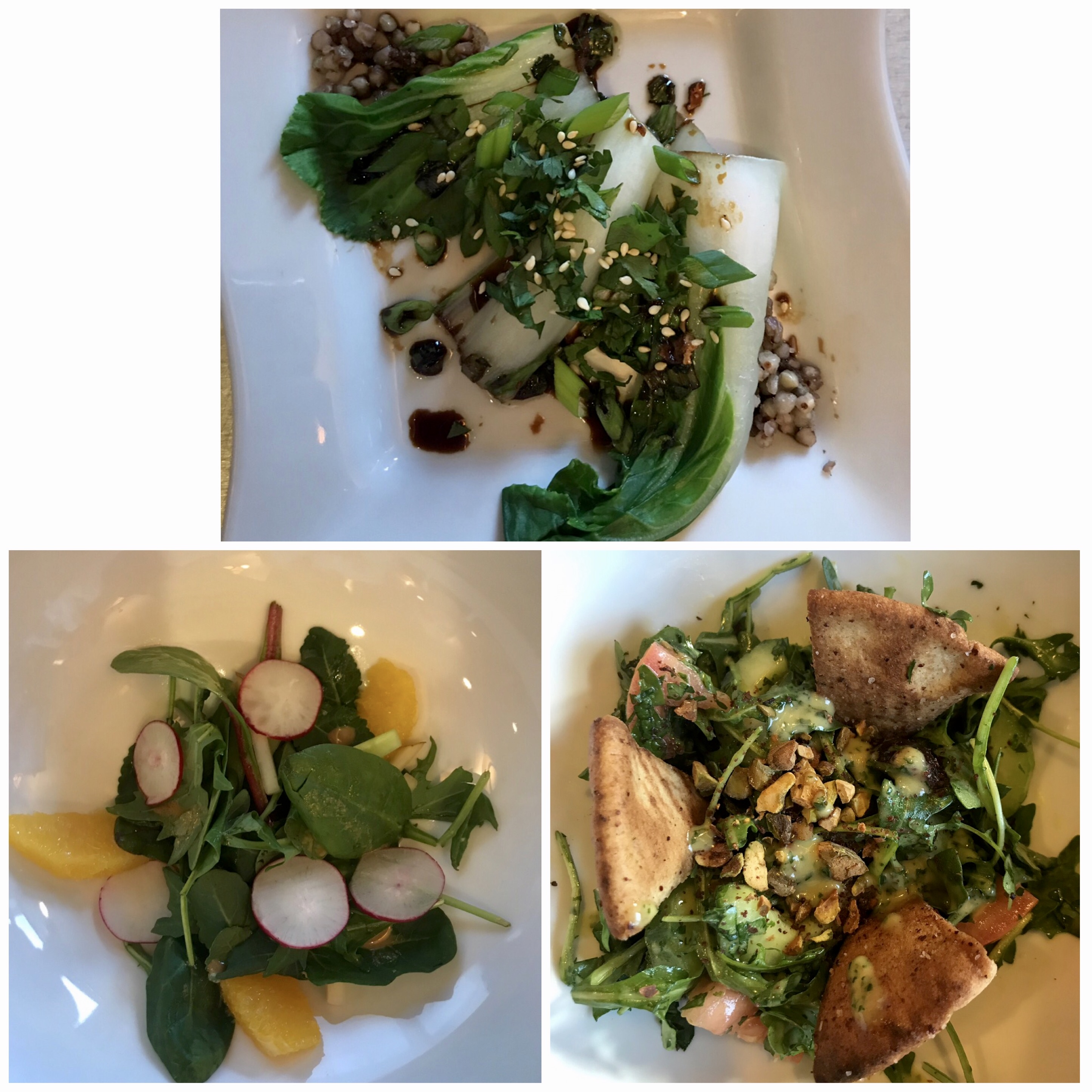
Our recipes this week were very interesting and all tasted so different. While making one of the dishes, I learned that Sumac powder is pomegranate seeds ground up into powder form. I also learned that it is very high in Vitamin C. I learned that Bok Choy is very nutrient dense and it was my first time trying it as well! It was a lot chewier than I expected, but tasted delicious! I had also never tasted Sumac powder before so that was pretty exciting as well. I would most definitely make the Fattoush Salad with the lemon mint dressing again. It was such a fresh, light salad and offered a lot of different flavors and textures. This was definitely my favorite dish and quite easy to make! All of these recipes included a super food which was awesome to actually make recipes that included super foods! Super foods are very nutrient dense and offer a wide variety of health benefits. For example, super greens like wheatgrass and spirulina are very detoxifying, purifying, and alkalizing to the body. All foods are not considered super foods because some foods offer little to no nutritional benefits.

The top photo is the Bok Choy with Buckwheat Groats and Cilantro and Tamari dressing. The bottom left photo is the Seaweed Salad (not actually seaweed) with a Sesame dressing and Orange Emulsion. The bottom right is the dish that my group made. It is the Fattoush salad with the lemon-mint dressing. So green this week!